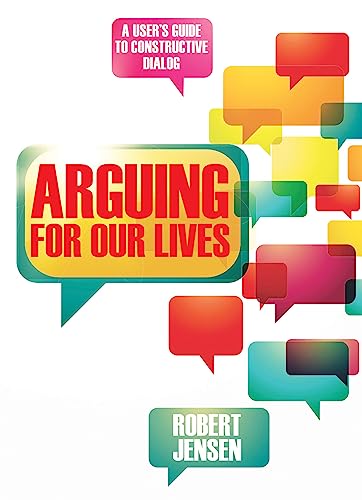

















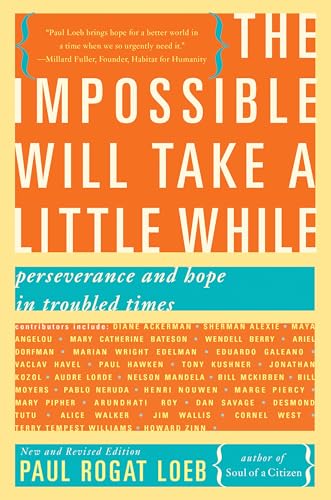

In an era marked by increasing polarization, fractured relationships, and communication breakdowns across every level of society, the ability to engage in genuine dialogue has become more essential than ever. This transformative guide offers readers a practical pathway to move beyond the reflexive arguments and defensive posturing that characterize so much of our public and private discourse. Instead, it introduces a framework for constructive engagement that honors both personal conviction and authentic connection with others.
The central premise challenges our conventional understanding of what argument and debate truly mean. Rather than viewing these exchanges as contests to be won or enemies to be defeated, this approach reconceptualizes dialogue as a collaborative human endeavor aimed at mutual understanding and growth. For those committed to personal development and social consciousness, this shift in perspective opens entirely new possibilities for how we relate to one another across differences.
The guide begins by examining the psychological and social foundations of poor communication. Readers discover how our brains are wired for defensiveness, how tribal thinking shapes our responses to opposing viewpoints, and why we so often talk past one another rather than truly connecting. Understanding these mechanisms is the first step toward transcending them. By recognizing the unconscious patterns that drive unproductive conflict, individuals can begin to make conscious choices about how they engage with people who think differently.
A significant portion of the material focuses on developing what might be called conversational literacy. This includes practical techniques for listening deeply, asking genuine questions rather than rhetorical ones designed to trap or embarrass, and expressing your own perspective in ways that invite rather than repel consideration. These are skills that can be learned and practiced by anyone willing to examine their habitual communication patterns. The guide offers concrete examples of how these techniques work in real situations, from family disagreements to workplace conflicts to public discourse about contentious social issues.
Perhaps most importantly, the book addresses the emotional and spiritual dimensions of constructive dialogue. Genuine conversation requires vulnerability, humility, and a willingness to let our certainties be challenged. For many readers, this will demand significant personal growth work. The guide acknowledges this reality and provides frameworks for managing the anxiety, defensiveness, and fear that often arise when we truly listen to perspectives that contradict our own worldview. By developing greater emotional awareness and resilience, we become capable of staying present with discomfort rather than retreating into our defensive corners.
The material also explores how individual conversations connect to larger patterns of social consciousness and collective change. When we transform our personal interactions, we participate in shifting the broader culture toward greater empathy and understanding. This systemic perspective will resonate deeply with readers who understand that personal transformation and social change are intimately intertwined. By becoming more skillful communicators, we model possibilities for others and contribute to a gradual cultural evolution.
Throughout, the guide maintains a balanced approach that respects both the importance of standing firm in our values and the necessity of remaining open to others. This is not about false compromise or abandoning deeply held convictions. Rather, it is about learning to hold our convictions with both firmness and compassion, understanding that people who disagree with us are not necessarily enemies to be conquered but fellow humans struggling to make sense of a complex world.
For anyone seeking to deepen their relationships, bridge divides in their communities, or participate more authentically in the crucial conversations of our time, this practical guide offers an invaluable resource. It provides both the theoretical understanding and the concrete tools needed to transform how we argue, how we listen, and ultimately, how we live together on this increasingly interconnected planet.