




Discover profound healing practices rooted in West African tradition that offer transformative solutions to the fragmentation and disconnection plaguing modern life. This groundbreaking exploration reveals how indigenous wisdom systems address the deepest sources of human suffering and guide us toward genuine wholeness—physically, emotionally, spiritually, and communally.
In our contemporary world, many people experience a pervasive sense of emptiness despite material abundance. We struggle with anxiety, depression, and a nagging feeling that something essential is missing from our lives. Conventional approaches to healing often treat symptoms while ignoring the spiritual and communal dimensions of wellness. This guide transcends such limitations by introducing readers to a comprehensive worldview that understands illness, suffering, and disconnection as invitations to deeper initiation and transformation rather than mere problems to eliminate.
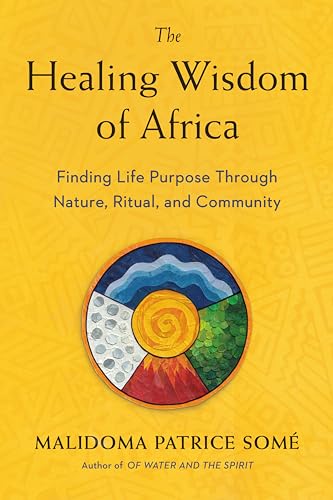
The teachings presented here emerge from the Dagara culture of West Africa, where healing is understood as a sacred process intimately connected to one's purpose, community, and relationship with the spiritual dimensions of existence. Readers will discover that true healing cannot occur in isolation. The individualistic approach to wellness that dominates Western culture—focusing solely on the individual body or mind—fundamentally misses the mark. Instead, genuine healing requires reconnection with community, with ancestral wisdom, and with the invisible forces that animate all life.
This work explores the concept of authentic personhood and how modern individuals have become disconnected from their true selves through cultural conditioning and the loss of meaningful rituals. The reader learns how traditional cultures maintained psychological and spiritual health through initiatory practices, ceremonial gatherings, and clear understanding of life stages and transitions. When these natural structures disappear, people become unmoored, experiencing the existential anxiety and sense of meaninglessness that characterizes contemporary malaise. The guide illuminates how we might restore such structures in our own lives.
One of the most valuable aspects of this exploration involves understanding the role of community in healing. Western medicine and psychology typically isolate the individual for treatment, but traditional healing recognizes that our symptoms often reflect imbalances in our relationships and our disconnection from community purpose. Readers will gain insights into how genuine healing emerges through meaningful connection, through being truly seen and acknowledged by others, and through participating in something larger than oneself.
The text introduces several powerful practices and concepts that readers can integrate into their lives immediately. These include understanding how to work with grief and loss as transformative teachers, recognizing the role of ancestral connection in contemporary wellness, and comprehending how the body serves as a crucial messenger conveying information about our spiritual and emotional state. Rather than silencing the body's messages through medication or dismissive attitudes, this wisdom tradition teaches us to listen deeply to what our symptoms are trying to communicate.
Readers will also discover practical approaches to spiritual crises and dark nights of the soul, understanding these difficult periods not as pathology but as necessary passages toward greater consciousness and authenticity. The guide provides context for making sense of depression, anxiety, and existential questioning as potentially meaningful experiences rather than mere malfunctions requiring elimination.
Perhaps most importantly, this exploration invites readers into a fundamentally different way of understanding human nature and potential. It challenges the mechanistic view of humans as biological machines and instead presents us as spiritual beings having physical experiences, deeply embedded in webs of relationship and meaning. Those seeking to move beyond surface-level wellness toward genuine transformation will find in these teachings a map for reclaiming wholeness—addressing not just physical symptoms but the spiritual fragmentation underlying so much modern suffering. This perspective offers hope that healing is possible when we reconnect with ancient wisdom and recommit to community, purpose, and authentic living.