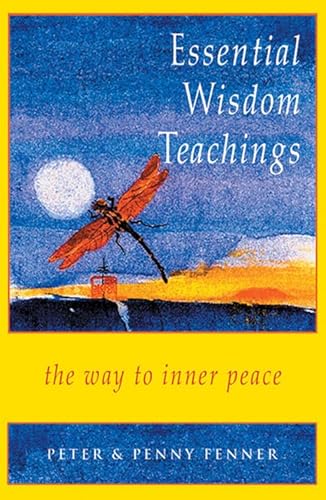









Across the world's great spiritual traditions, from Buddhism to Christianity, from Hinduism to indigenous wisdom practices, there exists a profound convergence of insight about the nature of human consciousness and the path to genuine transformation. This exploration of cross-cultural spiritual teachings offers readers a rare opportunity to transcend the boundaries of any single tradition and discover universal principles that speak directly to the deepest questions of human existence.
At the heart of this work lies a compelling recognition: the world's wisest teachers, separated by geography, time, and cultural context, have pointed toward strikingly similar truths about consciousness, liberation, and the human capacity for awakening. Rather than viewing these traditions as competing philosophies or exclusive pathways, this comprehensive examination invites readers to see them as different languages expressing a shared understanding of reality and human potential.
The teachings presented here address fundamental questions that have long occupied the minds of seekers and philosophers. What is the true nature of the self? How do we move beyond the limitations of conditioned thinking and reactive patterns? What does it mean to live in authentic alignment with deeper wisdom? What practices and insights actually lead to lasting transformation rather than mere intellectual understanding? These questions form the foundation for an exploration that combines scholarly rigor with practical applicability.
Readers will discover how perennial wisdom traditions approach the nature of mind and consciousness. Through careful examination of these teachings, a picture emerges of human consciousness not as fixed or limited, but as vastly more spacious and capable than our everyday experience suggests. The book guides readers toward understanding how conditioned patterns of thinking create artificial constraints on our experience and potential. More importantly, it reveals practical pathways for moving beyond these constraints.
One of the most valuable aspects of this work is its demonstration of how spiritual insights translate into concrete changes in how we live. The wisdom presented here is not abstract philosophy disconnected from daily life. Rather, it addresses how deeper understanding naturally reshapes our relationships, decisions, emotional responses, and overall quality of life. Readers will learn how genuine spiritual insight differs from mere intellectual knowledge and why this distinction matters profoundly for authentic transformation.
The cross-cultural approach offers particular advantages for modern seekers. Rather than committing exclusively to one tradition, readers can draw upon the full spectrum of human wisdom. Someone drawn to Buddhist insights about mind can learn how Christian contemplatives have arrived at parallel understandings. Those inspired by Hindu teachings can discover how Sufi masters have articulated similar truths through their own cultural lens. This panoramic perspective helps readers recognize the universal principles underlying surface differences.
Throughout these teachings, certain core themes emerge repeatedly: the role of direct experience versus belief, the paradox of effort in spiritual practice, the nature of genuine peace and contentment, the relationship between understanding and transformation, and the possibility of awakening to a more expansive identity than the conditioned self. Exploring these themes across multiple traditions deepens appreciation for each tradition while revealing their complementary nature.
For those engaged in personal growth work, whether they meditate, engage in therapy, study philosophy, or simply pursue greater authenticity and peace in their lives, this compilation offers invaluable perspective. It addresses the common challenge of spiritual plateaus and stagnation by offering fresh frameworks and approaches drawn from diverse wisdom sources. It speaks to those who feel called toward deeper meaning and understanding but may feel isolated within a single tradition.
Ultimately, this exploration serves readers seeking both personal transformation and a more comprehensive understanding of human potential. By engaging with the essential teachings of humanity's greatest wisdom traditions, readers gain access to time-tested insights and practices that have enabled countless individuals to transcend suffering, discover authentic peace, and live with greater wisdom and compassion. The universal nature of these teachings suggests that transformation is not reserved for monastics or exceptional individuals but represents a genuine possibility available to anyone willing to engage authentically with these deeper dimensions of human experience.