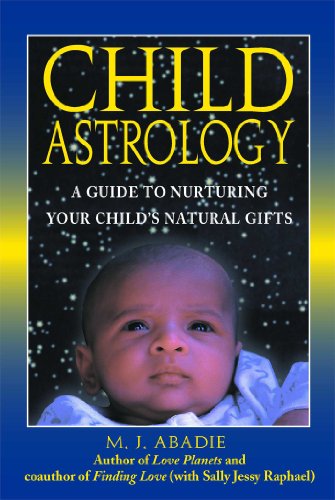













Every parent knows that children are born with distinct personalities, temperaments, and ways of relating to the world around them. From the moment they arrive, some infants are calm and contemplative while others are energetic and demanding. Some toddlers are naturally nurturing toward peers, while others prefer solitary play. These differences go far deeper than simple genetics or early environment—they reflect the cosmic influences present at the moment of birth, patterns that astrology has recognized and mapped for thousands of years.
Discovering how to honor your child's innate astrological nature transforms parenting from a one-size-fits-all approach into a deeply personalized journey of understanding and connection. Rather than trying to mold your child into a predetermined image of who you think they should be, you can instead recognize and support who they naturally are. This fundamental shift in perspective opens doorways to deeper parent-child relationships characterized by genuine acceptance, reduced conflict, and authentic communication.
The practice of child astrology reveals that each zodiac sign comes with distinctive emotional needs, learning styles, and ways of processing experience. A Fire sign child may crave adventure, physical expression, and immediate feedback, while an Earth sign child thrives with structure, tangible results, and methodical progress. Air sign children often need intellectual stimulation and social connection, whereas Water sign children navigate the world through intuition, emotion, and deep feeling. Understanding these basic distinctions helps explain why conventional discipline strategies work brilliantly with one child but backfire spectacularly with another.
Beyond simple sun sign characteristics, the complete astrological profile includes the moon sign, which governs emotional responses and inner needs, and the rising sign, which describes how children present themselves to the world and their natural instincts in new situations. A child might have a bold, confident Aries sun but a sensitive, introspective Cancer moon, creating an interesting and sometimes puzzling combination that makes perfect sense through astrological understanding. Learning to read these layers of personality helps parents and caregivers respond with greater compassion and effectiveness.
This wisdom becomes particularly valuable during challenging developmental phases. The typical tantrum-prone toddler phase feels entirely different when you understand your child's astrological temperament. Similarly, navigating the emotional intensity of pre-adolescence or the identity questions of the teenage years becomes less mysterious and more manageable when you recognize the cosmic influences at play. Parents who understand their child's astrological chart often feel less reactive and more resourceful, moving from frustration to curious observation.
The applications extend into practical realms of daily life. Knowing your child's astrological nature informs educational choices, activity selections, friendship dynamics, and conflict resolution approaches. It helps explain why your child gravitates toward certain types of play, why they struggle with particular transitions, and what kind of encouragement actually motivates them. A child whose chart emphasizes certain planetary influences might need more physical activity, while another might thrive with creative expression or intellectual challenge. These insights prevent the exhausting cycle of trying random strategies and instead point toward approaches aligned with your child's fundamental nature.
Understanding astrology also deepens self-awareness for parents. Your own astrological chart influences how you parent, what behaviors trigger you, and which of your child's traits you find easiest or most challenging to accept. This mutual understanding creates the foundation for genuine relationship growth. When both parent and child feel truly seen and accepted for who they authentically are, family dynamics transform.
This ancient system of wisdom offers modern families a practical tool for nurturing secure attachments, supporting healthy development, and building relationships rooted in authentic understanding rather than expectation. It bridges the gap between the child you hoped for and the magnificent individual your child actually is.