





Discover a transformative exploration of how spiritual practice and mindfulness can intersect with the lived experience of physical disability, offering a radical reorientation toward wholeness, acceptance, and awakening. This groundbreaking work challenges conventional wisdom about suffering, limitation, and the spiritual path by proposing that disability itself can become a gateway to profound insight and enlightenment.
At its core, this exploration addresses a fundamental gap in both disability discourse and spiritual literature. While mainstream spirituality often emphasizes transcendence of the body or suggests that physical limitation represents a spiritual failure or lesson to be learned and overcome, this work takes a different approach entirely. Rather than viewing disability as something to be conquered or spiritually bypassed, the perspective presented here invites readers to consider how the embodied experience of limitation can deepen compassion, authenticity, and genuine spiritual attainment.
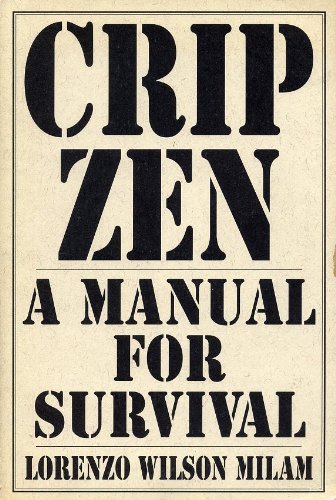
The central insight revolves around the intersection of Zen Buddhism and the disabled experience. Zen practice traditionally emphasizes direct experience, acceptance of what is, and liberation from illusion. These principles, when applied to living with disability, create a unique spiritual framework that honors both the challenges and unexpected gifts that such an existence can offer. The work explores how the constant confrontation with bodily limitation, social barriers, and personal vulnerability can strip away pretense and delusion in ways that may actually accelerate spiritual development rather than hinder it.
Readers will discover practical wisdom about navigating the psychological and spiritual dimensions of disability. This includes addressing the very real pain, grief, and anger that can accompany physical limitation, while simultaneously recognizing how these experiences can become doorways to deeper wisdom. The work refuses to shy away from the genuine difficulties while also refusing to accept narratives of tragedy or diminishment that pervade cultural attitudes toward disability.
One of the most valuable aspects involves exploring the concept of acceptance that goes far deeper than resignation or passivity. True acceptance, as presented here, involves a clear-eyed recognition of reality combined with the freedom to work within those constraints creatively. This resonates deeply with Zen teaching about seeing things as they truly are, without the distorting filter of denial, anger, or fantasy.
The work also addresses the spiritual dimension of isolation and difference that often accompanies disability. In a world largely designed for able-bodied people, those with physical limitations often experience profound separation from mainstream society. Rather than viewing this as purely negative, the exploration considers how such separateness can create the conditions for genuine spiritual seeking, similar to the role of monasticism or intentional retreat in traditional spiritual paths.
Additionally, readers will encounter practical guidance on meditation, mindfulness practices, and spiritual discipline adapted for those with physical limitations. This democratization of spiritual practice challenges the often unstated assumption in Western spirituality that the body must cooperate fully with conventional practice. Instead, it offers a vision of genuine spiritual engagement that honors the actual bodies and lives of disabled practitioners.
The work also invites reflection on how disability challenges spiritual communities to evolve. Many meditation centers and spiritual organizations remain inaccessible, either physically or through unexamined cultural attitudes. This exploration holds up a mirror to these limitations while suggesting that genuine inclusivity would deepen spiritual practice for everyone.
Ultimately, this work serves as both practical guide and philosophical invitation. It offers permission to disabled readers that their spiritual path is valid and potentially rich, while also inviting able-bodied readers to reconsider assumptions about the relationship between physical wholeness and spiritual attainment. Whether you live with disability, care for someone who does, or simply seek deeper understanding of how limitation and awakening intertwine, this exploration offers fresh perspective and genuine hope.