













Happiness & Success
Achieving Happiness Through Acceptance of Life
The quest for happiness often leads to frustration, as many fail to realize that the...

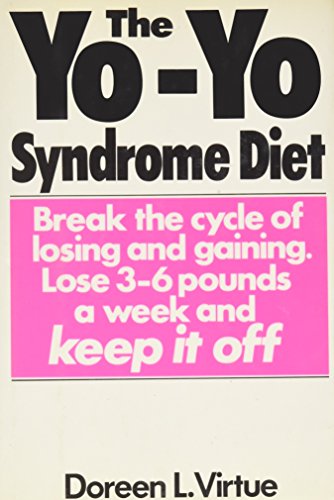
Breaking free from the endless cycle of losing and regaining weight requires more than just another diet plan—it demands a deep understanding of the emotional and spiritual roots of overeating. This groundbreaking work explores the hidden psychological patterns that keep millions trapped in a frustrating pattern of weight loss followed by inevitable weight gain, offering a compassionate and spiritually-grounded path toward lasting change.
At the heart of this approach lies a revolutionary premise: excess weight and compulsive eating are not simply matters of willpower or metabolism, but rather symptoms of deeper emotional needs that have gone unmet. When we use food to cope with stress, loneliness, anger, or fear, we create a temporary relief that ultimately perpetuates our suffering. The weight that returns after each diet attempt serves as a protective mechanism, a physical manifestation of unresolved inner conflicts and unexpressed emotions.
Readers discover how childhood experiences shape their relationship with food in profound and often unconscious ways. Many people learned early on to associate food with love, comfort, or reward, creating patterns that persist well into adulthood. Others may have experienced emotional neglect or trauma that left them seeking solace in the one source of comfort they could control: eating. By illuminating these connections, a pathway opens toward genuine healing rather than temporary fixes.
Read more ▼
Marissa Cloutier

Rita Hogan, Isla Fishburn

Julie Daniluk
The quest for happiness often leads to frustration, as many fail to realize that the...

Reaching sixty can evoke complex emotions, blending relief with ongoing ambition. This...

The quest for life's purpose often leads to unsatisfactory answers. This article...

Imagine going through one of the most physically and emotionally demanding experiences...

Romantic love is a complex emotion shaped by historical, cultural, and biological...

Daily actions often conflict with personal beliefs due to past experiences. By utilizing...

Have you ever argued over something that wasn't actually said? From cultural differences...

Therapists often use dream interpretation to delve into patients' emotions, but true...