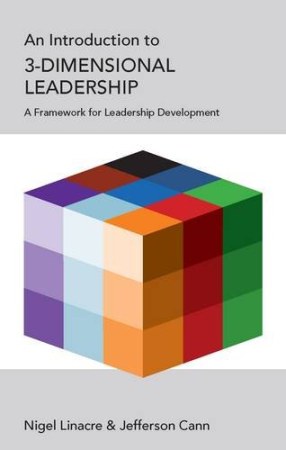















Leadership has long been viewed through a narrow lens, focusing primarily on what individuals do and how they behave in positions of authority. However, the reality of effective leadership is far more complex and nuanced than traditional models suggest. This comprehensive guide opens up an entirely new perspective on what it means to lead in the modern world, revealing the interconnected dimensions that separate truly exceptional leaders from those who merely occupy positions of power.
The exploration begins with a fundamental question: what if leadership wasn't just about tactics, strategies, and visible actions? What if the most influential leaders operated simultaneously across multiple planes of awareness and capability? This multidimensional approach recognizes that leadership exists in layers that interact with and reinforce one another, creating a holistic framework for understanding human influence and organizational impact.
At its core, this exploration challenges readers to think beyond the conventional wisdom that has dominated business schools and corporate training programs for decades. Instead of viewing leadership as a collection of isolated skills or competencies, the material presents an integrated model that demonstrates how personal development, relational dynamics, and systemic awareness create synergistic effects. When these dimensions align and strengthen, leaders gain access to a kind of influence that transcends typical hierarchical authority.
The first dimension addresses the inner landscape of the leader themselves. This encompasses self-awareness, emotional intelligence, values clarification, and personal integrity. Readers will discover how understanding one's own motivations, shadows, and aspirations directly impacts the capacity to guide others authentically. This inner work is not peripheral to leadership effectiveness; rather, it forms the foundation upon which all other dimensions rest. Without this grounding, even technically proficient leaders remain incomplete.
The second dimension focuses on interpersonal and relational mastery. True leadership manifests in the quality of connections leaders establish with those around them. This goes beyond communication skills or charisma to encompass genuine presence, empathetic understanding, and the ability to see and develop potential in others. Leaders operating effectively in this dimension create psychological safety, inspire commitment through authentic connection, and build teams that function with remarkable coherence and creativity. The reader will learn how relationship quality becomes both a measure of leadership success and a catalyst for organizational transformation.
The third dimension examines the systemic and organizational context in which leadership operates. This involves understanding group dynamics, organizational culture, power structures, and the complex interactions between various stakeholders. Leaders who master this dimension recognize themselves as part of a larger system and understand how to influence that system toward greater health and effectiveness. They see patterns that others miss and leverage understanding of organizational mechanics to create sustainable change.
What makes this framework particularly valuable for modern professionals is its applicability across contexts. Whether leading a large corporation, managing a small team, navigating a nonprofit organization, or building an entrepreneurial venture, the three-dimensional model provides a coherent structure for understanding where development is needed and how different aspects of leadership reinforce one another.
The practical implications of embracing this multidimensional perspective are significant. Leaders who develop across all three dimensions report greater resilience, more meaningful work experiences, and organizations that consistently outperform their competition. They experience less burnout because they're not relying solely on willpower or external tactics to maintain influence. Instead, their leadership flows from integrated development that feels sustainable and aligned with their deepest values.
For career professionals at any level, this material offers a roadmap for transformation that goes beyond typical leadership development. It provides language and frameworks for understanding the gap between aspiring leaders and those who create genuine impact. Most importantly, it demonstrates that the leadership journey is fundamentally a journey of personal and relational development, making it accessible to anyone willing to engage in honest self-examination and committed growth.