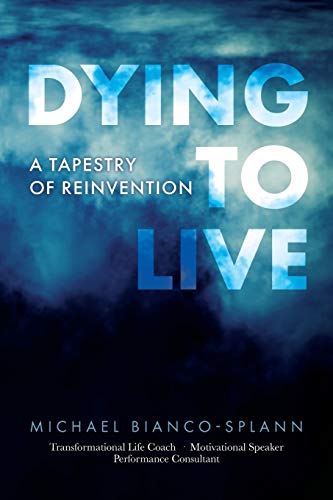






We live in a culture obsessed with accumulation, achievement, and the relentless pursuit of more. Yet millions of people discover that despite checking every box on society's success checklist, something fundamental feels missing. A deep dissatisfaction lingers beneath the surface, a sense that we're living someone else's life rather than our own authentic existence.
This exploration challenges readers to examine one of life's most paradoxical truths: that real living often requires a kind of death. Not a physical death, but the death of false selves, limiting beliefs, and the ego-driven narratives that have shaped our existence since childhood. Through profound insight and practical wisdom, readers are guided toward understanding that liberation comes not from doing more, but from becoming less attached to who we think we should be.
The journey presented here recognizes a fundamental human struggle. We spend our early years absorbing messages about who we should become, what we should want, and how we should behave. Parents, teachers, religious institutions, and society at large imprint their expectations upon us, and most of us spend our entire lives trying to live up to these internalized demands. The constant performance, the mask-wearing, the desperate attempt to be worthy of love and acceptance creates exhaustion at the deepest level of our being.
What makes this exploration particularly valuable is its integration of psychological insight, spiritual wisdom, and practical application. Readers encounter perspectives that weave together Eastern philosophy, modern psychology, and direct personal experience into a coherent framework for understanding human transformation. The material doesn't ask readers to abandon their current lives or reject all they've built, but rather to examine their relationship with achievement, identity, and purpose.
Throughout this transformative journey, several key insights emerge. First, the recognition that our desperate grasping for life actually prevents us from truly living. The constant striving, comparing, and proving creates a state of chronic tension that makes genuine peace and joy inaccessible. Second, that authenticity requires the death of the false self we've constructed for protection and acceptance. This small death, this release of who we think we should be, paradoxically opens the door to who we actually are. Third, that meaning and fulfillment come not from external validation but from alignment between our inner truth and outer expression.
The practical value of this material extends beyond intellectual understanding. Readers receive concrete tools for examining their own conditioning, recognizing where they've abandoned their authentic desires in service to others' expectations, and taking incremental steps toward more genuine living. The work invites honest self-reflection about the areas where we're merely performing life rather than inhabiting it fully.
This exploration matters profoundly in our current cultural moment. We face epidemics of depression, anxiety, and disconnection alongside unprecedented material abundance. Many recognize that accumulating more possessions, achievements, or experiences won't address the spiritual emptiness they feel. There's a growing hunger for understanding how to live with greater authenticity, purpose, and inner peace, even amid life's inevitable challenges.
For readers seeking personal empowerment and transformation, this material offers a map for reclaiming their lives from the tyranny of other people's expectations. It provides permission and framework for the essential work of becoming who you actually are rather than endlessly trying to become who you're supposed to be. By embracing the paradoxical wisdom that real living requires releasing our death grip on false versions of ourselves, readers discover a pathway to genuine freedom, peace, and authentic power that no amount of external achievement could ever provide.