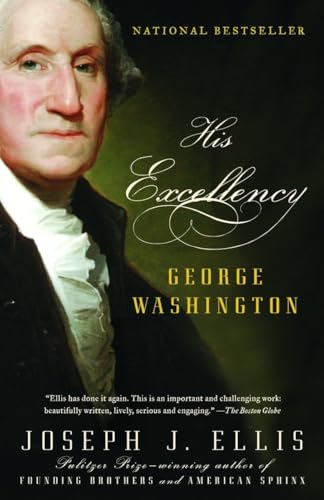


















George Washington stands as one of history's most transformative figures, yet his character and the principles that guided him remain largely misunderstood in contemporary culture. This comprehensive biography offers readers an intimate examination of how one man's personal integrity, moral restraint, and unwavering commitment to principle shaped not just a nation, but established a model of leadership that continues to resonate with anyone seeking to understand authentic personal empowerment.
The narrative traces Washington's evolution from a young surveyor and ambitious military officer into a reluctant leader who would fundamentally alter the course of human history. What emerges through careful analysis is not a portrait of an infallible hero, but rather a deeply human figure who struggled with self-doubt, ambition, and the weight of unprecedented responsibility. This honest portrayal offers profound lessons for contemporary readers about the nature of personal growth and how individuals can transcend their limitations through deliberate self-cultivation.
One of the most compelling aspects of this exploration involves understanding how Washington deliberately shaped his own character. Rather than accepting his circumstances or natural inclinations passively, he engaged in a rigorous process of self-examination and improvement. He maintained personal journals, studied military strategy and philosophy, and consciously modeled himself after classical ideals of virtue and restraint. For readers interested in personal development, this demonstrates that character is not merely inherited but can be intentionally developed through sustained effort and conscious choice.
The biography reveals how Washington's greatest strength lay not in military genius or political brilliance, but in his ability to subordinate his personal ambitions to the greater good. During the Revolutionary War, he maintained focus on the fundamental principles of the American cause even when victory seemed impossible. After achieving military success, he voluntarily relinquished power rather than seizing the opportunity to become a dictator, an act virtually unprecedented in human history. This capacity for self-restraint and principled action speaks directly to the core of personal empowerment, which involves recognizing that true power comes from the ability to choose restraint and service over dominance.
Washington's presidency offers crucial insights into leadership during times of uncertainty and division. The nation was fragile, its future uncertain, and political factions threatened its survival. Rather than taking strong ideological positions, Washington focused on establishing precedents that would strengthen the institutional foundations of the republic. He understood that his actions would set examples for future leaders, and he was acutely conscious of this responsibility. This demonstrates a vital spiritual principle that many contemporary leaders overlook: our actions echo through time, and we bear responsibility not just for immediate results but for the patterns we establish.
The narrative also explores Washington's relationships with other founding figures, particularly his complex dynamics with Thomas Jefferson and Alexander Hamilton. These interactions illuminate how great leaders must navigate disagreement, manage competing visions, and maintain civility and respect even with those who oppose them fundamentally. In an era of polarization, these lessons about maintaining principle while honoring the dignity of opponents hold particular relevance.
Beyond the historical details, this examination of Washington's life speaks to universal themes of purpose, integrity, and the possibility of transcendence. Washington never expected greatness; he never sought fame for its own sake. Instead, he focused on doing what he believed was right, and greatness followed as a natural consequence. This inverts modern assumptions about success and achievement. Rather than pursuing personal aggrandizement, the biography suggests that lasting impact comes through dedication to principles larger than oneself.
For readers seeking personal transformation and deeper understanding of authentic leadership, this work provides both historical insight and practical wisdom about character development, moral courage, and the profound impact that principled individuals can have on their world.