





Happiness & Success
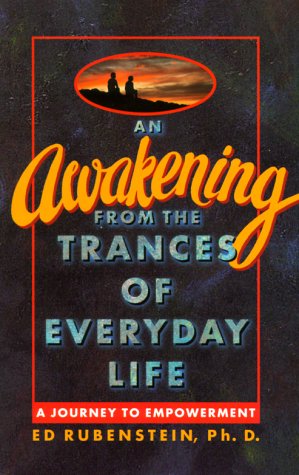
Achieving Happiness Through Acceptance of Life
The quest for happiness often leads to frustration, as many fail to realize that the...

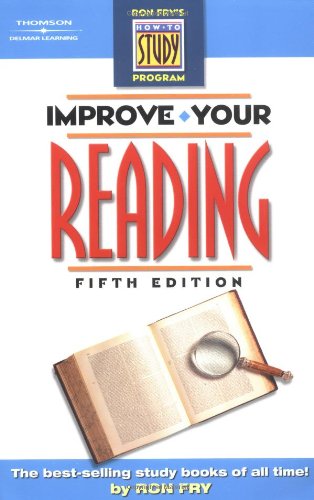
Reading is perhaps the most fundamental skill that determines success in virtually every area of life, yet few people ever receive comprehensive training in how to read effectively beyond elementary school. This comprehensive guide addresses that gap by providing adults with the tools and techniques to dramatically improve their reading speed, comprehension, and retention regardless of their current skill level.
The journey begins with an honest assessment of where you stand as a reader. Through carefully designed self-evaluation exercises, you'll identify your current reading rate, comprehension level, and the specific challenges that may be holding you back. Perhaps you subvocalize every word, slowing your progress to a crawl. Maybe you find yourself re-reading passages multiple times because information doesn't stick. Or possibly you struggle with technical material while breezing through lighter content. Understanding your unique reading profile becomes the foundation for targeted improvement.
One of the most transformative sections addresses the various reading techniques suited for different purposes. Not all reading deserves the same approach. Skimming for main ideas requires different skills than deep analytical reading of complex material. Learning when to speed up, when to slow down, and when to skip sections entirely represents a form of reading intelligence that separates efficient readers from those who struggle. The guidance provided helps you match your reading strategy to your specific purpose, whether you're reviewing a report before a meeting, studying for professional development, or enjoying recreational reading.
Read more ▼
The quest for happiness often leads to frustration, as many fail to realize that the...

Reaching sixty can evoke complex emotions, blending relief with ongoing ambition. This...

The quest for life's purpose often leads to unsatisfactory answers. This article...

Imagine going through one of the most physically and emotionally demanding experiences...

Romantic love is a complex emotion shaped by historical, cultural, and biological...

Daily actions often conflict with personal beliefs due to past experiences. By utilizing...

Have you ever argued over something that wasn't actually said? From cultural differences...

Therapists often use dream interpretation to delve into patients' emotions, but true...