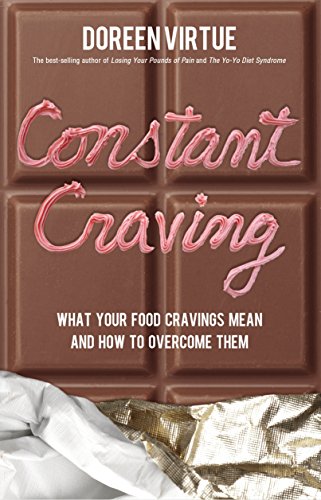













Food cravings are rarely about physical hunger. Behind every overwhelming desire for chocolate, chips, or comfort foods lies a deeper emotional or spiritual need trying to make itself heard. This groundbreaking exploration into the hidden meanings behind our food cravings offers readers a revolutionary approach to understanding their relationship with eating, weight, and self-nurture.
At the heart of this work lies a simple yet profound premise: cravings are actually coded messages from your inner self, attempting to communicate unmet needs that have nothing to do with nutrition. When you reach for sweets, your body and soul may actually be craving sweetness in your relationships. That irresistible pull toward crunchy foods might signal suppressed anger needing expression. The desire for soft, creamy textures could reflect a need for nurturing and comfort that food can never truly satisfy.
Drawing from extensive research and therapeutic experience, this comprehensive guide decodes the symbolic language of cravings, helping readers identify the specific emotions and spiritual needs underlying their most persistent food desires. Rather than fighting cravings through willpower or restrictive dieting, readers learn to address the root causes, creating lasting change from the inside out.
The exploration goes far beyond simple food-emotion connections. Readers discover how different textures, temperatures, and flavors correspond to specific emotional states and unmet needs. Cold foods might represent a desire to numb feelings, while hot, spicy selections could indicate a craving for excitement or passion missing from daily life. These insights empower individuals to become emotional detectives, using their cravings as valuable diagnostic tools for personal growth.
One of the most transformative aspects presented involves the connection between specific foods and childhood memories. Many eating patterns established in youth continue operating unconsciously decades later, driving behaviors that seem inexplicable in adulthood. By understanding these connections, readers can heal old wounds and release patterns that no longer serve their highest good.
The material also addresses the spiritual dimension of eating, exploring how different foods affect energy levels, intuition, and spiritual clarity. This holistic perspective helps readers make food choices that support not just physical health but also emotional balance and spiritual development. The discussion includes practical guidance on how to distinguish between genuine physical hunger and emotional hunger, a skill that proves essential for anyone seeking freedom from compulsive eating.
Beyond diagnosis, comprehensive solutions are offered for addressing the authentic needs that cravings represent. Instead of simply resisting the urge to eat, readers learn specific techniques for providing themselves with the actual nourishment they seek—whether that means setting boundaries, expressing feelings, pursuing creative outlets, or deepening spiritual practices. These alternative fulfillment strategies prove far more satisfying and sustainable than any food could ever be.
The approach proves particularly valuable for those who have struggled with yo-yo dieting, emotional eating, or weight issues that resist conventional solutions. By shifting focus from external restriction to internal understanding, readers often find that weight concerns resolve naturally as they address underlying emotional and spiritual imbalances.
Practical exercises and self-assessment tools throughout guide readers in applying these insights to their own lives. These activities help identify personal craving patterns, trace them to their emotional origins, and develop customized strategies for meeting authentic needs without turning to food.
This work represents a compassionate, non-judgmental approach to understanding why we eat when we're not physically hungry. Rather than framing overeating as a character flaw or lack of discipline, cravings are honored as important messengers deserving attention and understanding. This paradigm shift alone can be profoundly healing for those who have spent years battling their own appetites.
For anyone seeking to transform their relationship with food, understand their emotional landscape more deeply, or break free from cycles of compulsive eating, this resource offers both explanation and practical pathway forward. The insights provided extend far beyond eating behavior, ultimately serving as a gateway to greater self-awareness, emotional intelligence, and spiritual growth.