




Happiness & Success
Achieving Happiness Through Acceptance of Life
The quest for happiness often leads to frustration, as many fail to realize that the...

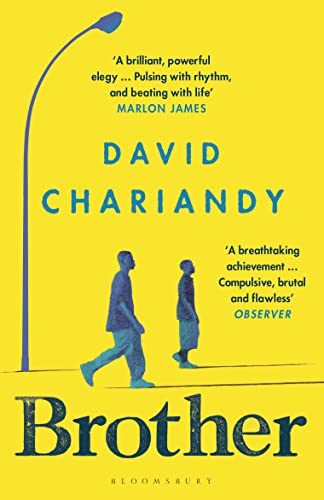
Growing up in the Park, a marginalized neighborhood in Scarborough, Ontario, shapes everything about who you become. This powerful exploration of brotherhood, grief, and identity invites readers into the intimate world of two young men navigating the complexities of race, class, and belonging in 1990s Canada. Through the relationship between Michael and his older brother Francis, we witness how family bonds can be both our greatest source of strength and our most profound vulnerability.
At its heart, this narrative examines how personal identity forms at the intersection of multiple forces: the expectations placed upon young Black men, the dreams parents carry for their children, the limited opportunities available in forgotten communities, and the transformative power of creative expression. Francis discovers hip-hop and DJ culture, finding in music a language for experiences that mainstream society refuses to acknowledge. His journey toward artistic self-expression becomes a meditation on how marginalized individuals create meaning and beauty despite systemic barriers designed to contain and diminish them.
The story unfolds through Michael's memories as he pieces together fragments of a traumatic past. This structure itself offers profound insights about how we process grief and trauma. Rather than presenting events linearly, the narrative mirrors the way memory actually works—circling back, revealing details gradually, protecting us from truths too painful to confront all at once. Readers engaged in their own healing journeys will recognize the delicate dance between remembering and forgetting, between honoring what was lost and finding the courage to move forward.
Read more ▼
Lee Carroll, Jan Tober
Michael Bianco-Splann

Goswami Kriyananda

Michelle Schoffro Cook
The quest for happiness often leads to frustration, as many fail to realize that the...

Reaching sixty can evoke complex emotions, blending relief with ongoing ambition. This...

The quest for life's purpose often leads to unsatisfactory answers. This article...

Imagine going through one of the most physically and emotionally demanding experiences...

Romantic love is a complex emotion shaped by historical, cultural, and biological...

Daily actions often conflict with personal beliefs due to past experiences. By utilizing...

Have you ever argued over something that wasn't actually said? From cultural differences...

Therapists often use dream interpretation to delve into patients' emotions, but true...