















Happiness & Success
Achieving Happiness Through Acceptance of Life
The quest for happiness often leads to frustration, as many fail to realize that the...

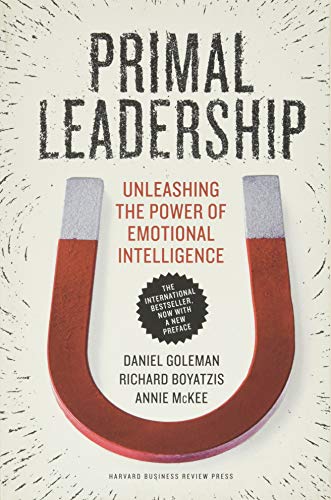
Leadership isn't just about strategic decisions, organizational charts, or bottom-line results. At its core, effective leadership is fundamentally emotional. The most successful leaders possess a unique ability to connect with others on a deeper level, creating resonance that ripples throughout entire organizations. This groundbreaking exploration reveals how emotional intelligence serves as the invisible force that separates truly transformational leaders from those who merely manage.
The concept of primal leadership rests on a powerful premise: a leader's emotions are contagious. When leaders drive emotions positively, they bring out the best in everyone around them. They create workplaces where people feel motivated, engaged, and inspired to achieve extraordinary results. Conversely, when leaders fail to manage their emotional impact, they create toxic environments that drain energy, stifle creativity, and ultimately damage organizational performance. This isn't soft science or wishful thinking—it's backed by extensive research in neuroscience, psychology, and organizational behavior.
Readers will discover how emotional intelligence manifests through four essential domains: self-awareness, self-management, social awareness, and relationship management. These aren't abstract concepts but practical capabilities that can be developed and strengthened over time. Self-awareness involves understanding your own emotions, strengths, limitations, and values, and how these affect others. Self-management means keeping disruptive emotions and impulses in check while maintaining standards of honesty and integrity. Social awareness extends beyond simple empathy to genuinely understanding others' perspectives and organizational dynamics. Relationship management brings it all together, enabling leaders to inspire, influence, develop others, and navigate conflict constructively.
Read more ▼
Cindy Griffith, Lisa K.
Bruce H. Lipton

Robert Steven Mandel

Wallace D. Wattles, Ruth L Miller, Patricia J. Crane, Rick Nichols
The quest for happiness often leads to frustration, as many fail to realize that the...

Reaching sixty can evoke complex emotions, blending relief with ongoing ambition. This...

The quest for life's purpose often leads to unsatisfactory answers. This article...

Romantic love is a complex emotion shaped by historical, cultural, and biological...

Imagine going through one of the most physically and emotionally demanding experiences...

Have you ever argued over something that wasn't actually said? From cultural differences...

Daily actions often conflict with personal beliefs due to past experiences. By utilizing...

Therapists often use dream interpretation to delve into patients' emotions, but true...