








Happiness & Success
Achieving Happiness Through Acceptance of Life
The quest for happiness often leads to frustration, as many fail to realize that the...

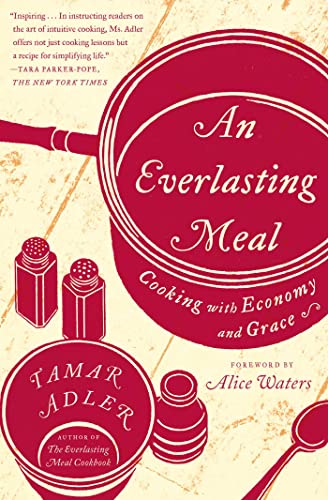
Cooking is not merely a mechanical act of following recipes or producing meals to fill our stomachs. It is an ancient practice that connects us to the earth, to our ancestors, and to the fundamental rhythms of life itself. This deeply philosophical yet utterly practical guide reimagines our relationship with food, transforming the kitchen from a place of daily drudgery into a space of creativity, mindfulness, and profound personal satisfaction.
At its heart lies a revolutionary premise: that good cooking begins not with expensive ingredients or complicated techniques, but with attention, patience, and respect for the food already in our possession. Rather than constantly seeking the new and exotic, readers discover how to truly see what they have, how to coax maximum flavor and nourishment from every ingredient, and how to create an endless cycle of delicious meals where nothing goes to waste and each dish naturally flows into the next.
The wisdom shared here challenges our modern tendency toward convenience and disposability. In a culture that encourages us to throw away wilted vegetables, stale bread, and leftover scraps, this approach reveals how these supposedly spent ingredients actually hold tremendous potential. Vegetable trimmings become the foundation for rich broths. Day-old bread transforms into crispy croutons, savory stuffings, or comforting bread puddings. The bones from a roasted chicken simmer into golden stock that forms the basis for countless future meals. This cyclical way of cooking honors both economic practicality and environmental consciousness while producing food that tastes profoundly better than anything assembled from packages or ordered from restaurants.
Read more ▼
Candice Covington

Phyllis Saifer
Jonathan Glass
Igor Vilevich Zevin
The quest for happiness often leads to frustration, as many fail to realize that the...

Reaching sixty can evoke complex emotions, blending relief with ongoing ambition. This...

The quest for life's purpose often leads to unsatisfactory answers. This article...

Romantic love is a complex emotion shaped by historical, cultural, and biological...

Imagine going through one of the most physically and emotionally demanding experiences...

Have you ever argued over something that wasn't actually said? From cultural differences...

Daily actions often conflict with personal beliefs due to past experiences. By utilizing...

Therapists often use dream interpretation to delve into patients' emotions, but true...