















Happiness & Success
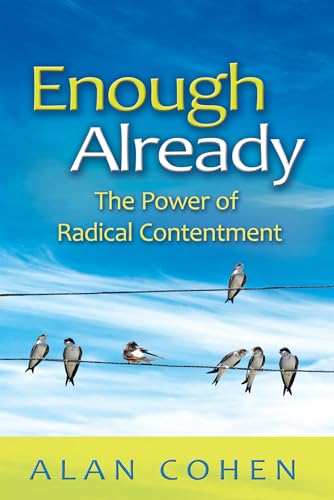
Achieving Happiness Through Acceptance of Life
The quest for happiness often leads to frustration, as many fail to realize that the...


Creating a culture of dignity within our schools and communities represents one of the most transformative acts we can undertake. At the heart of educational excellence and personal empowerment lies a deceptively simple yet profoundly powerful concept: treating every individual with genuine respect and recognizing their inherent worth. This comprehensive guide explores how dignity serves as the foundation for meaningful change in educational settings, offering practical wisdom that extends far beyond classroom walls into every aspect of our lives.
The exploration begins with an essential truth that many educators and leaders overlook in their pursuit of academic achievement and organizational success. Before implementing any reform initiative, adopting new curricula, or introducing innovative teaching methods, there must first exist a fundamental climate of mutual respect and dignity. Without this foundation, even the most well-intentioned efforts falter and fail to produce lasting transformation. The work demonstrates how dignity acts as the bedrock upon which all other positive changes can be built, creating sustainable improvement that touches hearts and minds simultaneously.
Readers discover a practical framework for understanding how dignity operates within school communities and organizations. The content examines the intricate connections between how we treat one another and the outcomes we achieve, whether measuring student achievement, teacher satisfaction, or community engagement. Through real-world examples and actionable strategies, the material illustrates how leaders can cultivate environments where every person feels valued, heard, and respected regardless of their role or position.
Read more ▼
Colette Baron-Reid

Philip G. Zimbardo

Kahlil Gibran, R. Black
The quest for happiness often leads to frustration, as many fail to realize that the...

Reaching sixty can evoke complex emotions, blending relief with ongoing ambition. This...

The quest for life's purpose often leads to unsatisfactory answers. This article...

Imagine going through one of the most physically and emotionally demanding experiences...

Romantic love is a complex emotion shaped by historical, cultural, and biological...

Daily actions often conflict with personal beliefs due to past experiences. By utilizing...

Have you ever argued over something that wasn't actually said? From cultural differences...

Therapists often use dream interpretation to delve into patients' emotions, but true...