














Happiness & Success
Achieving Happiness Through Acceptance of Life
The quest for happiness often leads to frustration, as many fail to realize that the...

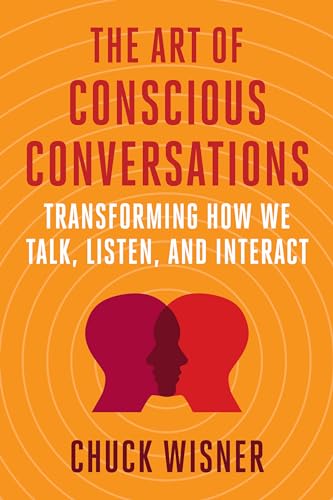
Communication shapes every aspect of our lives, yet most of us have never learned to truly listen or speak in ways that create genuine understanding and connection. This transformative guide reveals how shifting from unconscious, reactive dialogue to intentional, aware exchanges can fundamentally change our relationships, our work, and our sense of personal agency in the world.
At the heart of this work lies a simple yet profound premise: the quality of our conversations determines the quality of our lives. Whether navigating conflicts with loved ones, collaborating with colleagues, or engaging with our broader communities, the way we listen and respond either builds bridges or erects walls. Through practical frameworks and real-world examples, readers discover how to move beyond surface-level exchanges into conversations that matter, conversations that heal, and conversations that catalyze positive change.
The foundation rests on developing genuine presence. Rather than waiting for our turn to speak while mentally rehearsing responses, we learn to quiet our internal chatter and truly hear what others are saying beneath their words. This kind of deep listening requires setting aside our judgments, assumptions, and the urgent need to fix or advise. It demands a quality of attention that honors the speaker as a full human being with their own valid experience and wisdom. Through specific techniques and reflective exercises, readers cultivate this capacity for authentic presence that transforms ordinary exchanges into meaningful encounters.
Read more ▼
Fools Crow

Clifford Bishop

Karen Bishop
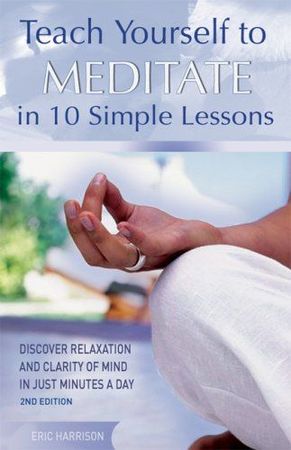
Teach Yourself to Meditate in 10 Simple Lessons
Eric Harrison
The quest for happiness often leads to frustration, as many fail to realize that the...

Reaching sixty can evoke complex emotions, blending relief with ongoing ambition. This...

The quest for life's purpose often leads to unsatisfactory answers. This article...

Imagine going through one of the most physically and emotionally demanding experiences...

Romantic love is a complex emotion shaped by historical, cultural, and biological...

Daily actions often conflict with personal beliefs due to past experiences. By utilizing...

Have you ever argued over something that wasn't actually said? From cultural differences...

Therapists often use dream interpretation to delve into patients' emotions, but true...