

















Happiness & Success
Achieving Happiness Through Acceptance of Life
The quest for happiness often leads to frustration, as many fail to realize that the...


Few stories demonstrate the extraordinary capacity of the human spirit quite like this raw, unflinching account of transforming from a depressed, overweight young man with a traumatic childhood into one of the world's toughest endurance athletes and retired Navy SEAL. This is not a gentle self-help guide or a collection of abstract philosophical musings. Instead, readers encounter a brutally honest memoir paired with a systematic approach to breaking through self-imposed limitations and discovering reserves of strength they never knew existed.
The narrative begins in a place of profound struggle: an abusive household, poverty, prejudice, learning disabilities, and obesity. Rather than glossing over these painful origins, the account dives deep into the psychological damage inflicted by early trauma and how these experiences create mental barriers that persist long into adulthood. What makes this approach so valuable is the refusal to present transformation as easy or to offer quick fixes. The journey described involves confronting the darkest aspects of past experiences, acknowledging personal responsibility, and making the decision to stop being a victim of circumstances.
Central to the methodology presented is the concept of the "accountability mirror"—a practice of honest self-assessment that strips away excuses and forces direct confrontation with personal shortcomings. This technique alone has transformed how countless readers approach their own development, creating a framework for identifying the lies we tell ourselves and the comfortable narratives we construct to avoid difficult growth. The accountability mirror isn't about self-hatred but about clear-eyed recognition of where we are versus where we want to be.
Read more ▼
Jean-Jacques Rousseau

Alli Frank, Asha Youmans, Mindy Kaling
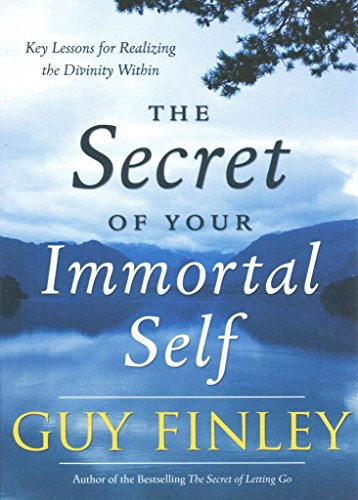
The secret of your immortal self
Guy Finley

Sonam Rinchen
The quest for happiness often leads to frustration, as many fail to realize that the...

Reaching sixty can evoke complex emotions, blending relief with ongoing ambition. This...

The quest for life's purpose often leads to unsatisfactory answers. This article...

Imagine going through one of the most physically and emotionally demanding experiences...

Romantic love is a complex emotion shaped by historical, cultural, and biological...

Daily actions often conflict with personal beliefs due to past experiences. By utilizing...

Have you ever argued over something that wasn't actually said? From cultural differences...

Therapists often use dream interpretation to delve into patients' emotions, but true...