








Happiness & Success
Achieving Happiness Through Acceptance of Life
The quest for happiness often leads to frustration, as many fail to realize that the...

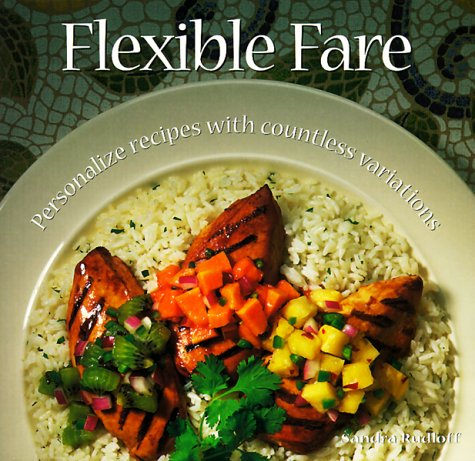
Discovering how to eat well without breaking the bank represents one of the most practical yet often overlooked aspects of personal empowerment. When financial constraints seem to dictate every meal choice, food can become a source of stress rather than nourishment and pleasure. Yet learning to create delicious, healthful meals on a limited budget is not only possible—it's a transformative skill that touches every aspect of daily life.
This comprehensive guide opens up a world where financial limitations need not compromise nutritional quality or culinary satisfaction. Through carefully developed strategies and creative approaches to meal planning, readers discover that eating well on less money is fundamentally about making informed choices, developing new kitchen skills, and shifting perspectives about what constitutes good food. The insights shared go far beyond simple penny-pinching tactics, instead offering a holistic framework for rethinking the entire relationship between food, money, and personal wellbeing.
At the heart of this resource lies a profound understanding that financial empowerment begins with the everyday choices made at the grocery store and in the kitchen. When individuals gain mastery over food expenses—typically one of the largest variable costs in any household budget—they create breathing room in their financial lives. This newfound flexibility can reduce stress, increase savings, and provide greater freedom to pursue other personal growth goals and dreams.
Read more ▼
Rachel Simmons
Ora Nadrich

Jim Brickman, Cindy Pearlman

Richard M. Moss
The quest for happiness often leads to frustration, as many fail to realize that the...

Reaching sixty can evoke complex emotions, blending relief with ongoing ambition. This...

The quest for life's purpose often leads to unsatisfactory answers. This article...

Imagine going through one of the most physically and emotionally demanding experiences...

Romantic love is a complex emotion shaped by historical, cultural, and biological...

Daily actions often conflict with personal beliefs due to past experiences. By utilizing...

Have you ever argued over something that wasn't actually said? From cultural differences...

Therapists often use dream interpretation to delve into patients' emotions, but true...