













Happiness & Success
Achieving Happiness Through Acceptance of Life
The quest for happiness often leads to frustration, as many fail to realize that the...

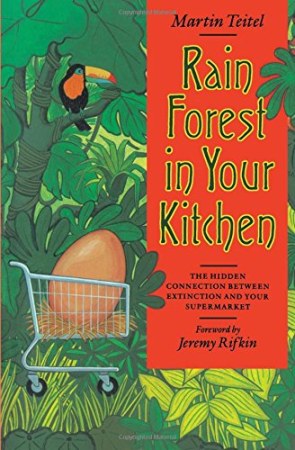
Every time you open your refrigerator or pantry, you're participating in a global system that reaches deep into the world's most precious ecosystems. The choices you make at the grocery store, the products you select for your family's meals, and even the packaging you discard all connect directly to the fate of tropical rainforests thousands of miles away. This profound connection between your daily food choices and the health of our planet's lungs reveals a stunning truth: environmental activism begins not with grand gestures, but with the simple act of preparing breakfast.
Tropical rainforests represent the most biodiverse ecosystems on Earth, home to more than half of all plant and animal species despite covering only a small fraction of the planet's surface. These magnificent forests regulate global climate, produce oxygen, store carbon, and provide resources that indigenous peoples have depended upon for millennia. Yet they're disappearing at an alarming rate, primarily driven by agricultural expansion to meet consumer demand in wealthy nations. The foods commonly found in North American kitchens often carry a hidden environmental cost that most consumers never consider.
Through accessible explanations and practical guidance, readers discover how everyday ingredients like coffee, chocolate, beef, and certain cooking oils directly impact deforestation rates. The production methods behind these items frequently involve clearing vast swaths of ancient forest, destroying habitat for countless species, displacing indigenous communities, and contributing significantly to global carbon emissions. Understanding these connections transforms routine shopping trips into opportunities for meaningful environmental action.
Read more ▼
The Western Guide to Feng Shui
Terah Kathryn Collins
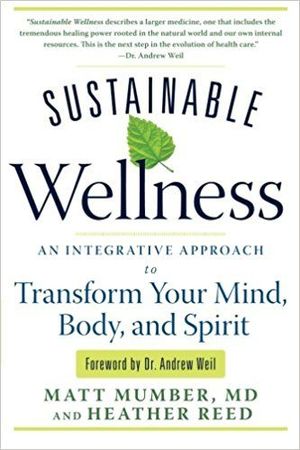
Matthew P. Mumber

The western guide to feng shui
Terah Kathryn Collins
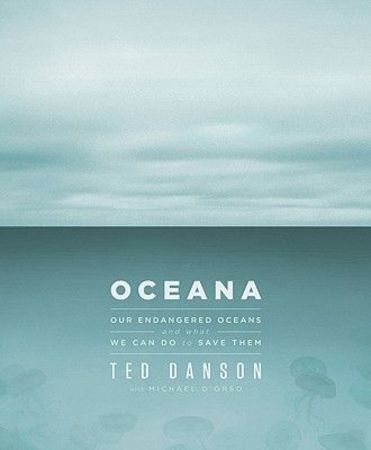
Ted Danson
The quest for happiness often leads to frustration, as many fail to realize that the...

Reaching sixty can evoke complex emotions, blending relief with ongoing ambition. This...

The quest for life's purpose often leads to unsatisfactory answers. This article...

Romantic love is a complex emotion shaped by historical, cultural, and biological...

Imagine going through one of the most physically and emotionally demanding experiences...

Daily actions often conflict with personal beliefs due to past experiences. By utilizing...

Have you ever argued over something that wasn't actually said? From cultural differences...

Therapists often use dream interpretation to delve into patients' emotions, but true...