












Happiness & Success
Achieving Happiness Through Acceptance of Life
The quest for happiness often leads to frustration, as many fail to realize that the...

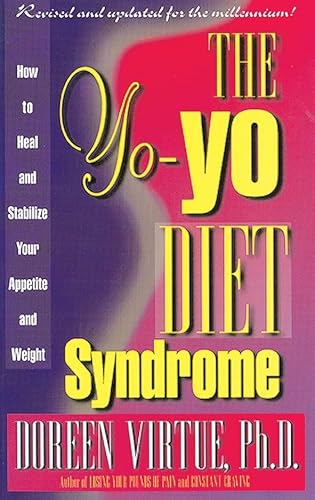
Emotional eating represents one of the most challenging obstacles to maintaining a healthy relationship with food and achieving lasting wellness. This groundbreaking work explores the deep psychological and spiritual roots of compulsive eating patterns, offering readers a compassionate pathway toward freedom from the endless cycle of dieting, weight loss, and regain that affects millions of people worldwide.
At the heart of this transformative guide lies a revolutionary understanding: weight issues are rarely about food alone. Instead, they stem from unresolved emotional wounds, spiritual disconnection, and the use of food as a coping mechanism for dealing with life's challenges. Through extensive research and clinical experience, readers discover how childhood experiences, fear-based thinking, and societal pressures create patterns of using food to numb uncomfortable feelings, fill emotional voids, or provide temporary comfort in times of stress.
The work illuminates five distinct emotional eating profiles, each representing different psychological triggers and patterns. By identifying which profile resonates most strongly, readers gain profound insights into their personal eating behaviors. Whether turning to food in response to anger, fear, shame, stress, or feelings of emptiness, understanding these underlying emotional drivers becomes the first crucial step toward lasting transformation. This personalized approach acknowledges that not everyone overeats for the same reasons, and therefore, one-size-fits-all diet solutions consistently fail.
Read more ▼
Suzanne Somers' Get Skinny on Fabulous Food
Suzanne Somers

Zen and the Art of Cooking (Zen and the Art of)
Jon Sandifer
Tamar Adler

Frances Moore Lappé, FRANCES MOORE LAPPE, Frances Moore Lappe
The quest for happiness often leads to frustration, as many fail to realize that the...

Reaching sixty can evoke complex emotions, blending relief with ongoing ambition. This...

The quest for life's purpose often leads to unsatisfactory answers. This article...

Romantic love is a complex emotion shaped by historical, cultural, and biological...

Imagine going through one of the most physically and emotionally demanding experiences...

Have you ever argued over something that wasn't actually said? From cultural differences...

Daily actions often conflict with personal beliefs due to past experiences. By utilizing...

Therapists often use dream interpretation to delve into patients' emotions, but true...