
















Happiness & Success
Achieving Happiness Through Acceptance of Life
The quest for happiness often leads to frustration, as many fail to realize that the...

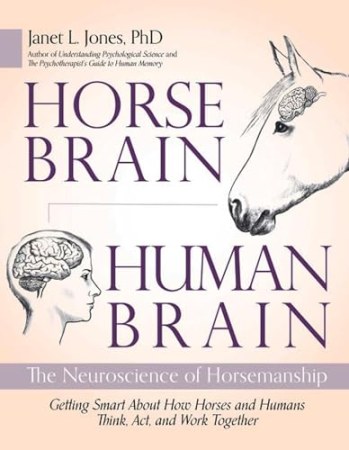
Understanding the extraordinary differences between human and equine brains opens up a revolutionary approach to working with horses that transforms both the relationship and the results. By exploring the fascinating neuroscience behind how horses perceive, process, and respond to the world around them, riders and handlers gain profound insights that can dramatically improve their horsemanship while deepening their connection with these magnificent animals.
Horses experience reality in ways that are fundamentally different from humans, and these differences stem from millions of years of evolutionary adaptation. As prey animals, horses developed sensory systems and cognitive processing that prioritize survival in open grasslands where predators could appear from any direction. Their eyes are positioned on the sides of their heads, giving them nearly 360-degree vision but creating significant blind spots directly in front and behind. Their visual processing interprets movement and contrast differently than human vision, meaning that a flapping plastic bag or a shadow on the ground can trigger genuine fear responses that seem puzzling to people.
The equine brain processes information through pathways that favor immediate reaction over contemplation. When a horse spooks at something seemingly innocuous, it's not being silly or stubborn. The neural architecture that kept their ancestors alive on the plains is functioning exactly as designed, sending signals through the amygdala and triggering flight responses before the thinking parts of the brain can evaluate whether the threat is real. Understanding this neurological reality helps handlers respond with patience and effective training strategies rather than frustration.
Read more ▼
Michael J. Roads

Ron Roth, Peter Occhiogrosso

Lucia Capacchione

Clear your clutter with feng shui
Karen Kingston
The quest for happiness often leads to frustration, as many fail to realize that the...

Reaching sixty can evoke complex emotions, blending relief with ongoing ambition. This...

The quest for life's purpose often leads to unsatisfactory answers. This article...

Romantic love is a complex emotion shaped by historical, cultural, and biological...

Imagine going through one of the most physically and emotionally demanding experiences...

Have you ever argued over something that wasn't actually said? From cultural differences...

Daily actions often conflict with personal beliefs due to past experiences. By utilizing...

Therapists often use dream interpretation to delve into patients' emotions, but true...