







Happiness & Success
Achieving Happiness Through Acceptance of Life
The quest for happiness often leads to frustration, as many fail to realize that the...

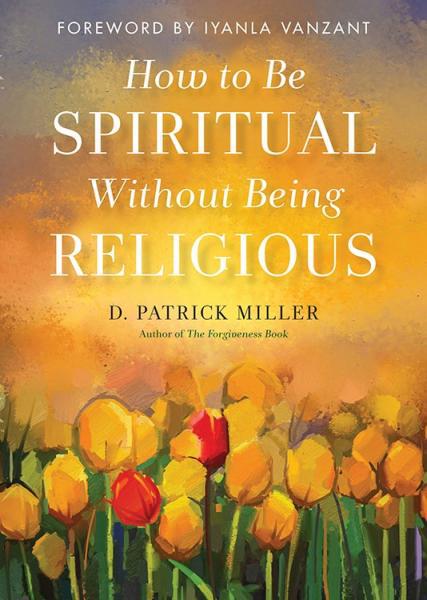
For countless individuals navigating the complexities of modern life, traditional religious frameworks no longer resonate with their deepest questions and experiences. Yet the hunger for meaning, connection, and transcendence remains as powerful as ever. This essential guide addresses a growing movement of seekers who find themselves drawn to spiritual exploration while feeling disconnected from organized religion and its structures.
The contemporary spiritual landscape has shifted dramatically, with millions identifying as "spiritual but not religious." This isn't about rejecting wisdom or sacred teachings, but rather about finding authentic pathways to the divine that honor personal experience, intellectual honesty, and the universal truths that transcend any single tradition. What unfolds here is a practical roadmap for those who sense there's something greater than themselves but struggle to find it within conventional religious boundaries.
At the heart of this exploration lies a fundamental truth: spirituality is an inherent human capacity, not the exclusive property of any institution. Every person possesses the ability to connect with the sacred, to experience profound states of awareness, and to live with greater purpose and meaning. The challenge many face is learning how to cultivate this connection without the familiar structures of religious practice, community, and guidance that have traditionally supported spiritual development.
Read more ▼
Anna Comerford
Discovering Your Soul's Purpose
Mark Thurston PhD
Jeremy David Engels
Normandi Ellis, Jean Houston, Lynn Andrews
The quest for happiness often leads to frustration, as many fail to realize that the...

Reaching sixty can evoke complex emotions, blending relief with ongoing ambition. This...

The quest for life's purpose often leads to unsatisfactory answers. This article...

Romantic love is a complex emotion shaped by historical, cultural, and biological...

Imagine going through one of the most physically and emotionally demanding experiences...

Have you ever argued over something that wasn't actually said? From cultural differences...

Daily actions often conflict with personal beliefs due to past experiences. By utilizing...

Therapists often use dream interpretation to delve into patients' emotions, but true...