










Happiness & Success
Achieving Happiness Through Acceptance of Life
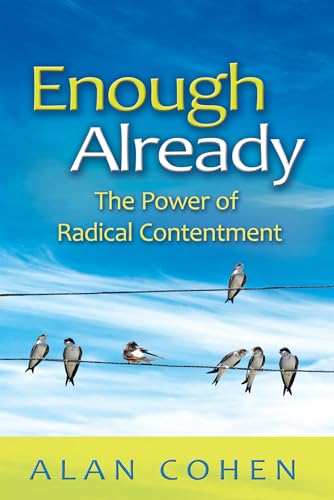
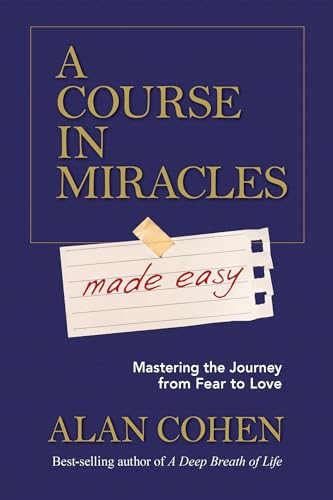
The quest for happiness often leads to frustration, as many fail to realize that the...


Journey into one of Western literature's most enduring explorations of honor, integrity, and the eternal struggle between our highest ideals and human frailty. This masterwork collection of Arthurian legends offers far more than medieval adventure stories—it presents a profound meditation on personal character, ethical leadership, and the transformative power of living according to deeply held principles.
At the heart of these interconnected tales lies the quest for personal excellence embodied in the code of chivalry. Knights of the Round Table serve as archetypal figures representing different aspects of the human journey toward self-mastery. Their adventures become mirrors reflecting our own struggles with temptation, betrayal, forgiveness, and redemption. Readers discover timeless wisdom about maintaining integrity when facing moral dilemmas, about the consequences of our choices, and about how individual actions ripple outward to affect entire communities.
The legendary quest for the Holy Grail stands as one of literature's most powerful metaphors for spiritual seeking. Various knights approach this sacred challenge from different states of consciousness and moral development, revealing how our inner purity—or lack thereof—determines our capacity to achieve transcendent experiences. Some knights fail because of pride, others because of unexamined shadow aspects of their personalities. Only those who have undertaken genuine inner work, who have confronted their demons and emerged transformed, prove worthy of the highest spiritual attainment. This narrative arc offers profound insights for anyone on a path of personal transformation and spiritual development.
Read more ▼
Dianne Schwartz
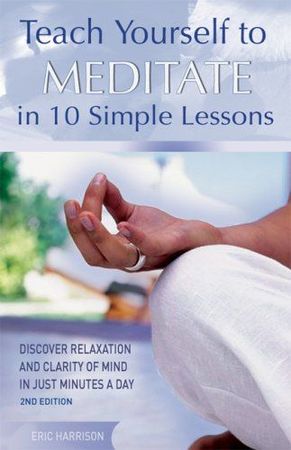
Teach Yourself to Meditate in 10 Simple Lessons
Eric Harrison
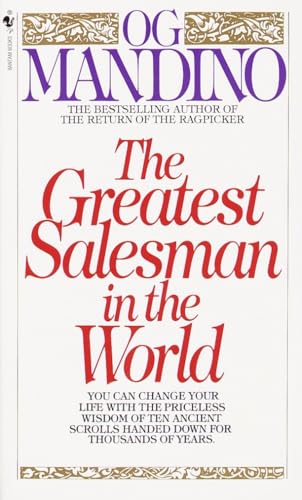
The great sales man of the world
Og Mandino

Women's bodies, women's wisdom
Christiane Northrup
The quest for happiness often leads to frustration, as many fail to realize that the...

Reaching sixty can evoke complex emotions, blending relief with ongoing ambition. This...

The quest for life's purpose often leads to unsatisfactory answers. This article...

Romantic love is a complex emotion shaped by historical, cultural, and biological...

Imagine going through one of the most physically and emotionally demanding experiences...

Have you ever argued over something that wasn't actually said? From cultural differences...

Daily actions often conflict with personal beliefs due to past experiences. By utilizing...

Therapists often use dream interpretation to delve into patients' emotions, but true...