










Happiness & Success
Achieving Happiness Through Acceptance of Life
The quest for happiness often leads to frustration, as many fail to realize that the...

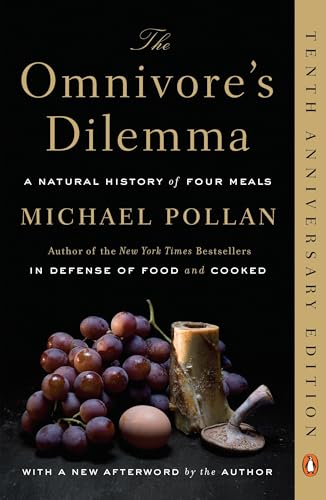
Every time we sit down to eat, we make choices that ripple outward in ways most of us never consider. What seems like a simple decision about dinner actually connects us to vast industrial systems, local ecosystems, global economics, and our own health in profound ways. Understanding these connections transforms not just what we eat, but how we see ourselves as participants in the natural world and modern society.
This exploration begins with a deceptively simple question: What should we have for dinner? For most of human history, geography, culture, and season answered this question automatically. Today, standing before the overwhelming abundance of a modern supermarket or scrolling through endless restaurant delivery options, we face what might be called the central paradox of modern eating. We have more choices than ever before, yet we've become increasingly disconnected from understanding what those choices really mean.
Through an unprecedented journey following food from its origins to the dinner plate, readers discover four distinct food chains that define how Americans eat today. The industrial food chain reveals how corn has become the hidden foundation of nearly everything we consume, transformed through remarkable feats of chemistry and processing into thousands of different products. The industrial organic chain examines whether organic food sold through big-box stores truly delivers on its pastoral promises, or whether it represents organic values absorbed and diluted by industrial logic. The local sustainable chain explores small-scale farming operations where the relationship between farmer, land, and consumer creates a radically different kind of food system. Finally, the hunter-gatherer chain takes readers into forests and fields to experience the most direct possible relationship with food through foraging and hunting.
Read more ▼
Martha Burge
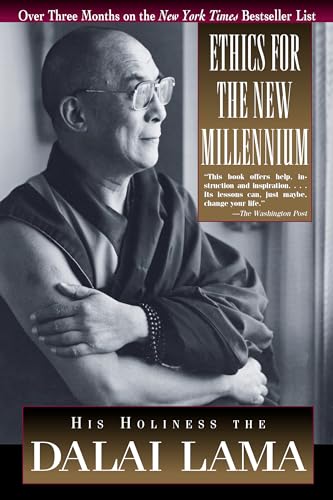
His Holiness Tenzin Gyatso the XIV Dalai Lama
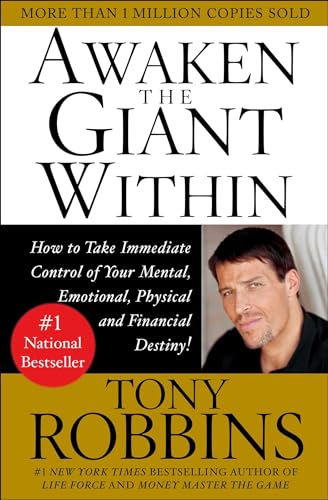
Tony Robbins
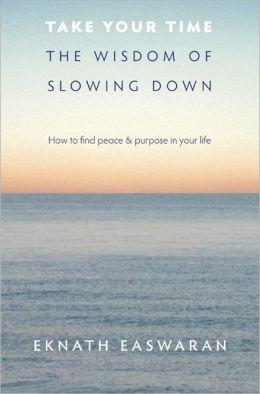
Eknath Easwaran
The quest for happiness often leads to frustration, as many fail to realize that the...

Reaching sixty can evoke complex emotions, blending relief with ongoing ambition. This...

The quest for life's purpose often leads to unsatisfactory answers. This article...

Imagine going through one of the most physically and emotionally demanding experiences...

Romantic love is a complex emotion shaped by historical, cultural, and biological...

Daily actions often conflict with personal beliefs due to past experiences. By utilizing...

Have you ever argued over something that wasn't actually said? From cultural differences...

Therapists often use dream interpretation to delve into patients' emotions, but true...