
Happiness & Success
Achieving Happiness Through Acceptance of Life
The quest for happiness often leads to frustration, as many fail to realize that the...








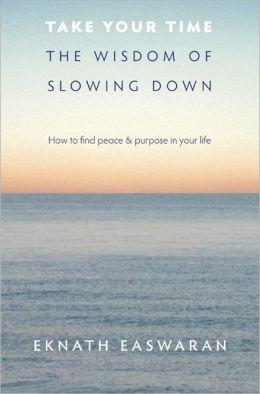
Modern life moves at a relentless pace, leaving many feeling fragmented, stressed, and disconnected from what truly matters. The constant pressure to do more, achieve more, and accelerate through every moment has become so normalized that we rarely question whether this frantic tempo serves our deepest needs. Yet beneath the surface of our hurried existence lies a profound truth: we possess the power to reclaim our time, our attention, and our lives through the practice of slowing down.
This transformative guide reveals how cultivating a slower, more deliberate approach to living can fundamentally reshape our experience of daily life. Rather than advocating for doing less or withdrawing from responsibilities, it presents a radical alternative: learning to move through life with complete attention, grace, and purpose. The wisdom shared here draws from timeless spiritual traditions while remaining eminently practical for contemporary challenges, offering tools that anyone can apply regardless of their background or circumstances.
At the heart of this approach lies the recognition that hurry is not simply about physical speed but represents a mental and emotional state that fragments our consciousness. When we rush, we scatter our attention across multiple concerns simultaneously, never fully present to any single moment. This divided awareness diminishes the quality of everything we do, from our work and relationships to our capacity for joy and meaning. By contrast, learning to do one thing at a time with full attention transforms even ordinary activities into sources of fulfillment and effectiveness.
Read more ▼
Steven Greenebaum

Rainer Maria Rilke

John Taylor Gatto, JOHN TAYLOR GATTO
Neale Donald Walsch
The quest for happiness often leads to frustration, as many fail to realize that the...

Reaching sixty can evoke complex emotions, blending relief with ongoing ambition. This...

The quest for life's purpose often leads to unsatisfactory answers. This article...

Romantic love is a complex emotion shaped by historical, cultural, and biological...

Imagine going through one of the most physically and emotionally demanding experiences...

Daily actions often conflict with personal beliefs due to past experiences. By utilizing...

Have you ever argued over something that wasn't actually said? From cultural differences...

Therapists often use dream interpretation to delve into patients' emotions, but true...