








Happiness & Success
Achieving Happiness Through Acceptance of Life
The quest for happiness often leads to frustration, as many fail to realize that the...

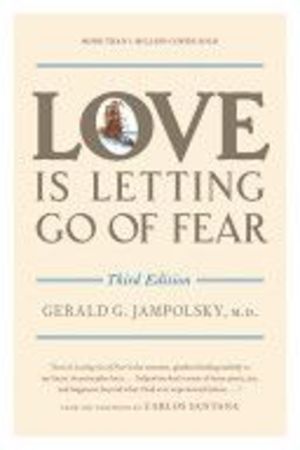
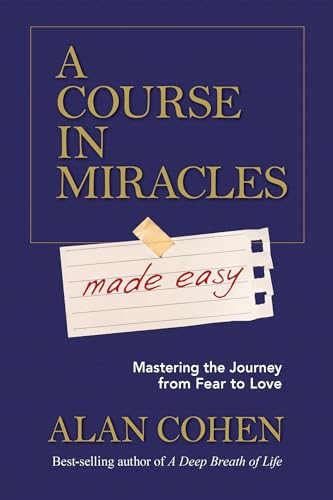
At the heart of our deepest struggles in relationships lies a fundamental choice: whether we approach life from a place of love or from a place of fear. This transformative guide presents a radical yet simple premise that has the power to revolutionize not only how we connect with others but how we experience every moment of our existence. By examining the ways fear manifests in our daily interactions and offering a clear pathway toward choosing love instead, this work has become a cornerstone text for those seeking authentic connection and inner peace.
The foundation rests on principles drawn from A Course in Miracles, translated into accessible, practical wisdom that anyone can apply immediately. At its core is the understanding that all human emotions can be distilled into two categories: love and fear. Everything we perceive as anger, jealousy, anxiety, resentment, or hurt stems from fear, while peace, joy, compassion, and genuine connection flow from love. This binary framework might seem oversimplified at first glance, but it provides remarkable clarity when navigating the complexities of intimate relationships, family dynamics, friendships, and even our relationship with ourselves.
Readers discover that much of what we call love in our everyday lives is actually fear in disguise. Possessiveness masquerades as devotion. Control presents itself as care. Expectations parade as commitment. The work gently but firmly dismantles these illusions, showing how our attachments to specific outcomes, our need to judge others, and our investment in grievances from the past all create barriers to experiencing authentic love. These barriers don't protect us as we imagine; instead, they isolate us and perpetuate the very pain we're trying to avoid.
Read more ▼
Wendy Paris
Reconnecting with Your Estranged Adult Child
Tina Gilbertson
Charles Spezzano, Chuck Spezzano Ph.D., Robert Holden
Dale Salwak
The quest for happiness often leads to frustration, as many fail to realize that the...

Reaching sixty can evoke complex emotions, blending relief with ongoing ambition. This...

The quest for life's purpose often leads to unsatisfactory answers. This article...

Romantic love is a complex emotion shaped by historical, cultural, and biological...

Imagine going through one of the most physically and emotionally demanding experiences...

Have you ever argued over something that wasn't actually said? From cultural differences...

Daily actions often conflict with personal beliefs due to past experiences. By utilizing...

Therapists often use dream interpretation to delve into patients' emotions, but true...