









Happiness & Success
Achieving Happiness Through Acceptance of Life
The quest for happiness often leads to frustration, as many fail to realize that the...


Forgiveness stands as one of the most transformative yet challenging practices in human relationships. When we've been hurt, betrayed, or wounded by those we love, the path toward healing can seem impossibly steep. Yet without forgiveness, we remain trapped in cycles of resentment, anger, and pain that poison not only our relationships but our entire lives. This profound exploration of forgiveness offers a bridge from suffering to freedom, providing both spiritual wisdom and practical guidance for anyone struggling to release the grip of past hurts.
Drawing from Buddhist philosophy and meditation practices, this work presents forgiveness not as a single act of willpower but as a gradual unfolding of the heart. Readers discover that forgiveness isn't about condoning harmful behavior or forgetting what happened. Instead, it's about liberating ourselves from the corrosive effects of holding onto grievances. The teachings reveal how our refusal to forgive creates a prison where we ourselves are the primary inmates, reliving our pain and allowing it to color every aspect of our present experience.
The approach combines ancient contemplative traditions with contemporary psychological understanding, offering readers a comprehensive framework for working with even the deepest wounds. Through guided meditations, reflective exercises, and compassionate instruction, the material leads readers through the stages of forgiveness work. This includes acknowledging the reality of what happened, feeling the full spectrum of emotions that arise, understanding the conditions that led to the harm, and gradually releasing the need for revenge or retribution.
Read more ▼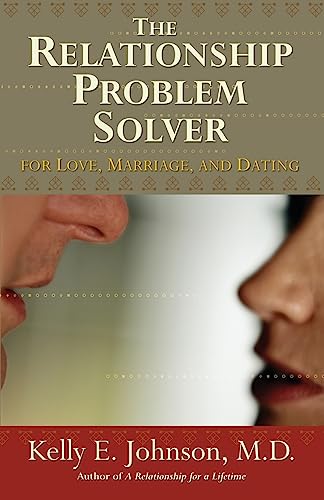
The relationship problem solver for love, marriage, and dating
Kelly E. Johnson
Changing Ourselves, Changing the World
Gary, Ph.D. Reiss

Diane Chambers

Tim Ray
The quest for happiness often leads to frustration, as many fail to realize that the...

Reaching sixty can evoke complex emotions, blending relief with ongoing ambition. This...

The quest for life's purpose often leads to unsatisfactory answers. This article...

Romantic love is a complex emotion shaped by historical, cultural, and biological...

Imagine going through one of the most physically and emotionally demanding experiences...

Have you ever argued over something that wasn't actually said? From cultural differences...

Daily actions often conflict with personal beliefs due to past experiences. By utilizing...

Therapists often use dream interpretation to delve into patients' emotions, but true...