

















Happiness & Success
Achieving Happiness Through Acceptance of Life
The quest for happiness often leads to frustration, as many fail to realize that the...

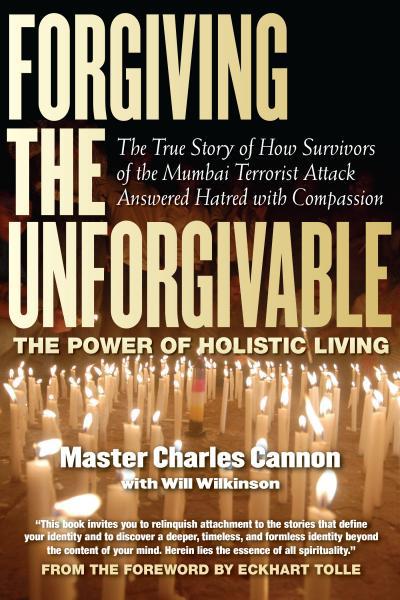
When the unthinkable happens and tragedy strikes with devastating force, the human spirit faces its greatest test. How do we respond when confronted with acts so horrific that forgiveness seems impossible? How do we move forward when darkness threatens to consume us? These profound questions stand at the heart of an extraordinary exploration into the transformative power of forgiveness and the resilience of consciousness.
Drawing from real-life experience of surviving a terrorist attack in Mumbai that claimed the lives of beloved friends and left others with severe injuries, this profound work illuminates a path through the most challenging terrain the human heart can traverse. Rather than offering theoretical platitudes or simplistic advice, it presents a lived testament to the possibility of choosing love over hatred, even in circumstances that would justify any amount of rage and desire for revenge.
At its core lies a radical premise: forgiveness is not about condoning heinous acts or bypassing genuine grief. Instead, it represents the ultimate act of self-liberation. Holding onto anger, resentment, and hatred doesn't punish perpetrators; it imprisons the victim in an ongoing cycle of suffering. True forgiveness becomes the key that unlocks these self-imposed chains, allowing healing to begin and wholeness to be restored.
Read more ▼
Andy Stanton

Eldonna Bouton

Frederic B. Hill, Stephens Broening
The quest for happiness often leads to frustration, as many fail to realize that the...

Reaching sixty can evoke complex emotions, blending relief with ongoing ambition. This...

The quest for life's purpose often leads to unsatisfactory answers. This article...

Imagine going through one of the most physically and emotionally demanding experiences...

Romantic love is a complex emotion shaped by historical, cultural, and biological...

Daily actions often conflict with personal beliefs due to past experiences. By utilizing...

Have you ever argued over something that wasn't actually said? From cultural differences...

Therapists often use dream interpretation to delve into patients' emotions, but true...