


















Happiness & Success
Achieving Happiness Through Acceptance of Life
The quest for happiness often leads to frustration, as many fail to realize that the...

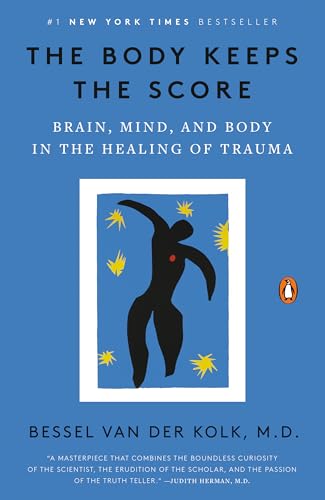
Trauma lives in the body long after the mind has tried to forget. Revolutionary insights into how psychological wounds reshape our biology, nervous system, and capacity for connection reveal why traditional talk therapy alone often falls short in healing deep emotional injuries. Through decades of clinical research and patient care, a groundbreaking framework emerges for understanding how traumatic experiences fundamentally alter brain function, emotional regulation, and our sense of safety in the world.
The exploration begins with the recognition that trauma is not just a story about something that happened in the past, but an imprint left on the body, brain, and nervous system. Whether from childhood abuse, combat exposure, accidents, or ongoing stress, traumatic experiences create lasting changes in how we perceive threat, manage emotions, and relate to others. These biological alterations explain why trauma survivors often feel disconnected from their bodies, struggle with overwhelming emotions, or remain hypervigilant years after danger has passed.
Readers discover how the brain's alarm system becomes recalibrated by trauma, causing ordinary situations to trigger fight, flight, or freeze responses. The intricate dance between the rational thinking brain and the emotional limbic system gets disrupted, leaving survivors feeling hijacked by reactions they cannot control through willpower alone. Scientific evidence demonstrates how traumatic memories differ from ordinary memories, stored as fragmented sensations, images, and physical feelings rather than coherent narratives. This helps explain why trauma survivors may experience flashbacks, nightmares, and intrusive thoughts that feel as real and threatening as the original events.
Read more ▼
Siddhartha Mukherjee, Nessa Carey

Ran Knishinsky

Donna Eden

The Plant Paradox: The Hidden Dangers in "Healthy" Foods That Cause Disease and Weight Gain
Dr. Steven R Gundry M.D.
The quest for happiness often leads to frustration, as many fail to realize that the...

Reaching sixty can evoke complex emotions, blending relief with ongoing ambition. This...

The quest for life's purpose often leads to unsatisfactory answers. This article...

Romantic love is a complex emotion shaped by historical, cultural, and biological...

Imagine going through one of the most physically and emotionally demanding experiences...

Have you ever argued over something that wasn't actually said? From cultural differences...

Daily actions often conflict with personal beliefs due to past experiences. By utilizing...

Therapists often use dream interpretation to delve into patients' emotions, but true...