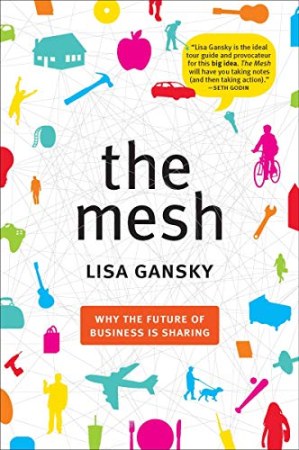























A revolutionary shift is transforming how we consume, share, and interact with the resources around us, and understanding this transformation can fundamentally change your relationship with ownership, community, and personal fulfillment. At the heart of this evolution lies a simple yet profound concept: access trumps ownership, and sharing creates more value than hoarding.
Imagine a world where you can access what you need precisely when you need it, without the burden of ownership, storage, or maintenance. This isn't a distant utopian vision but an emerging reality reshaping commerce, consumption, and human connection. From car-sharing services to tool libraries, from clothing swaps to collaborative workspaces, a new economic model is flourishing that prioritizes experience over possession, community over isolation, and sustainability over waste.
This exploration reveals how digital platforms and mobile connectivity have catalyzed a fundamental reimagining of business and consumption. The traditional model of manufacturing products, selling them to individual owners, and moving on has given way to something far more dynamic and interconnected. Companies now create platforms that facilitate sharing, renting, and collaborative use of goods and services. Customers become community members, transactions become relationships, and products become services accessed through networks of participants.
What makes this shift personally empowering is its alignment with deeper human values that consumerism has long obscured. Many people have experienced the hollow feeling that comes from accumulating possessions that clutter homes and lives without delivering lasting satisfaction. The sharing economy offers liberation from this cycle, providing access to diverse experiences and resources without the psychological and physical weight of ownership. This creates space—literal and metaphorical—for what truly matters: meaningful experiences, authentic connections, and purposeful living.
The implications extend far beyond personal decluttering. This model represents a pathway toward environmental sustainability that doesn't require sacrifice but instead offers abundance through intelligence. When communities share resources efficiently, fewer items need to be manufactured, less energy is consumed, and waste decreases dramatically. A single shared vehicle can replace multiple owned cars. A tool library can serve hundreds of households with equipment that would otherwise sit idle in individual garages. This efficiency doesn't diminish quality of life; it enhances it by reducing costs, environmental impact, and the burden of maintenance.
For entrepreneurs and business-minded readers, the insights here illuminate extraordinary opportunities for creating value in innovative ways. The principles outlined demonstrate how businesses can build loyal communities rather than transactional customer bases, how data and feedback loops can continuously improve offerings, and how platforms can create network effects that benefit all participants. Success in this emerging economy requires different thinking: transparency, authenticity, and genuine service to community needs rather than manipulative marketing and planned obsolescence.
On a social consciousness level, this framework addresses isolation and disconnection that plague modern life. Sharing platforms inherently create touchpoints for human interaction. They build trust among strangers, foster local community connections, and demonstrate that cooperation can be more rewarding than competition. Every transaction becomes an opportunity for connection, every shared resource a thread in the social fabric.
The psychological benefits deserve emphasis. Letting go of the ownership mentality—the belief that security and status come from accumulation—can be profoundly liberating. It shifts focus from having to being, from quantity to quality, from status symbols to genuine experiences. This reorientation aligns with spiritual wisdom traditions that have long taught that attachment to material possessions creates suffering while generosity and sharing create joy.
For those on a path of personal growth, these concepts offer practical tools for living more consciously and aligned with values. They provide frameworks for making daily choices that reflect environmental stewardship, community building, and mindful consumption. They demonstrate that transformation doesn't require withdrawal from commerce but rather engaging with it more intelligently and intentionally.
This vision of collaborative consumption represents more than economic innovation; it's a blueprint for a more connected, sustainable, and fulfilling way of living that honors both individual needs and collective wellbeing.
Read more ▼