

















Happiness & Success
Achieving Happiness Through Acceptance of Life
The quest for happiness often leads to frustration, as many fail to realize that the...

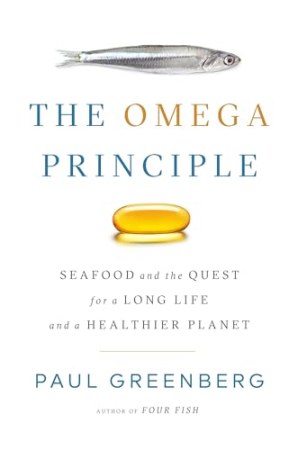
Deep beneath the surface of our oceans lies a fundamental building block of life itself, one that connects the smallest plankton to the largest whales, and ultimately to our own bodies and minds. This profound exploration reveals how omega-3 fatty acids represent far more than a nutritional supplement trend—they embody a complete reimagining of humanity's relationship with the natural world and our place within Earth's interconnected systems.
At its core, this work unveils a startling truth: the modern human diet has become dangerously disconnected from the wild marine ecosystems that sustained our evolution for millions of years. Through meticulous research and compelling storytelling, readers discover how omega-3s function as essential molecular messengers within our cells, influencing everything from inflammation and immune response to cognitive function and emotional well-being. These crucial fats literally cannot be manufactured by our bodies, making us entirely dependent on consuming them through our food chain—a dependency that modern industrial practices have severely compromised.
The narrative takes readers on a journey through evolutionary biology, revealing how early humans thrived along coastlines and waterways, consuming omega-3-rich seafood that quite literally built our complex brains and nervous systems. This isn't merely historical curiosity; understanding this evolutionary foundation helps explain why contemporary health crises—from depression and anxiety to inflammatory diseases and cognitive decline—may be partially rooted in omega-3 deficiency. The implications for personal health and mental clarity become impossible to ignore.
Read more ▼
That Which Doesn’t Kill Us: How One Couple Became Stronger at the Broken Places
Linda and Charlie Bloom.

Judith Corvin-Blackburn, Barbara Hand Clow, Linda Star Wolf

Gopi Krishna

Emily Wanderer Cohen
The quest for happiness often leads to frustration, as many fail to realize that the...

Reaching sixty can evoke complex emotions, blending relief with ongoing ambition. This...

The quest for life's purpose often leads to unsatisfactory answers. This article...

Imagine going through one of the most physically and emotionally demanding experiences...

Romantic love is a complex emotion shaped by historical, cultural, and biological...

Daily actions often conflict with personal beliefs due to past experiences. By utilizing...

Have you ever argued over something that wasn't actually said? From cultural differences...

Therapists often use dream interpretation to delve into patients' emotions, but true...