










Happiness & Success
Achieving Happiness Through Acceptance of Life
The quest for happiness often leads to frustration, as many fail to realize that the...

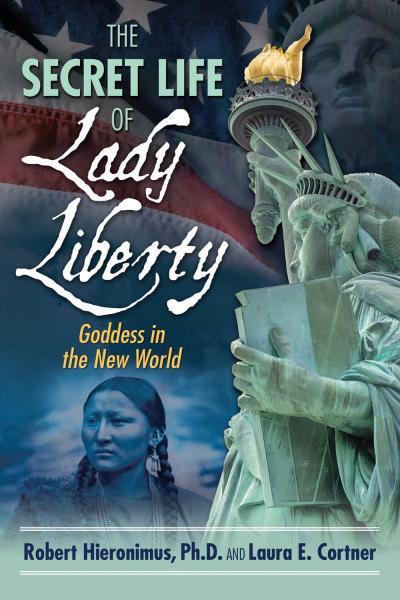
The Statue of Liberty stands as one of the world's most recognizable symbols of freedom and democracy, yet few people understand the profound esoteric wisdom encoded within her design or the revolutionary ideals that inspired her creation. Behind this colossal monument lies a hidden history of sacred geometry, mystical symbolism, and visionary philosophy that connects ancient wisdom traditions to modern democratic principles in ways that have been largely forgotten or ignored by mainstream historical accounts.
At the heart of this exploration lies the revelation that Liberty's creators were deeply influenced by Freemasonry, Rosicrucianism, and other esoteric traditions that viewed democracy not merely as a political system but as a spiritual imperative. The statue's designer, Frédéric Auguste Bartholdi, along with his collaborators, embedded layers of symbolic meaning into every aspect of the monument, from her seven-pointed crown representing the seven continents and seven seas to the broken chains at her feet symbolizing liberation from tyranny and oppression. These elements weren't chosen randomly but reflect a coherent philosophical vision rooted in ancient mystery school teachings.
Readers discover how the statue's symbolism draws from diverse spiritual and philosophical sources, including Roman and Greek mythology, Egyptian sun worship, and enlightenment philosophy. Liberty herself embodies the Roman goddess Libertas while simultaneously representing the divine feminine principle long suppressed in Western culture. Her torch illuminates not just physical darkness but spiritual ignorance, serving as a beacon for consciousness expansion and collective awakening. The tablet she holds bears the date of American independence, linking the birth of the nation to universal principles of human dignity and self-determination.
Read more ▼
Matthew C. Klein, Michael Pettis
Lillian Brummet

Paul Owens, Paul Owens, Norma Eckroate

Soul Survivor: The Reincarnation of a World War II Fighter Pilot
Bruce Leininger
The quest for happiness often leads to frustration, as many fail to realize that the...

Reaching sixty can evoke complex emotions, blending relief with ongoing ambition. This...

The quest for life's purpose often leads to unsatisfactory answers. This article...

Romantic love is a complex emotion shaped by historical, cultural, and biological...

Imagine going through one of the most physically and emotionally demanding experiences...

Have you ever argued over something that wasn't actually said? From cultural differences...

Daily actions often conflict with personal beliefs due to past experiences. By utilizing...

Therapists often use dream interpretation to delve into patients' emotions, but true...