

Happiness & Success
Achieving Happiness Through Acceptance of Life
The quest for happiness often leads to frustration, as many fail to realize that the...








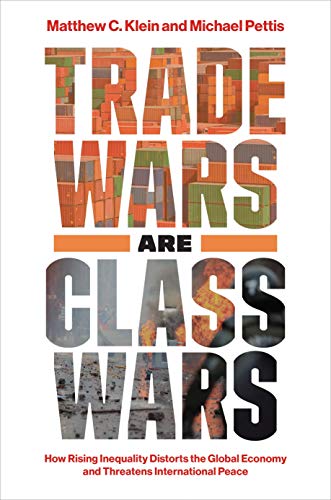
Global economic conflicts that dominate headlines and shape our political landscape are often portrayed as battles between nations competing for supremacy. However, a transformative analysis reveals that these international tensions actually mask a deeper truth: the real conflicts playing out are between economic classes within countries, not between countries themselves. Understanding this fundamental shift in perspective offers readers a pathway to making sense of the chaotic economic and political forces reshaping our world.
At the heart of this groundbreaking economic analysis lies a simple but profound insight. When countries run massive trade surpluses or deficits, these imbalances don't emerge from national characteristics or cultural differences. Instead, they stem from domestic policies that favor certain groups within each society while disadvantaging others. The resulting international tensions, protectionist measures, and diplomatic conflicts that capture so much attention are merely symptoms of internal class struggles that have been exported across borders.
Readers will discover how wealthy elites in surplus countries like China and Germany have suppressed wages and domestic consumption to accumulate massive savings. These policies, while enriching those at the top, have forced middle and working classes in these nations to consume less than they produce. The resulting excess production and capital must flow somewhere, and it floods into deficit countries like the United States and the United Kingdom. There, it doesn't spread prosperity evenly but instead inflates asset prices, enriches financial sectors, and hollows out manufacturing communities, creating winners and losers within these societies as well.
Read more ▼
On Tyranny: Twenty Lessons From the Twentieth Century
Timothy Snyder

Tom Voss, Rebecca Anne Nguyen

Soul Survivor: The Reincarnation of a World War II Fighter Pilot
Bruce Leininger
The quest for happiness often leads to frustration, as many fail to realize that the...

Reaching sixty can evoke complex emotions, blending relief with ongoing ambition. This...

The quest for life's purpose often leads to unsatisfactory answers. This article...

Romantic love is a complex emotion shaped by historical, cultural, and biological...

Imagine going through one of the most physically and emotionally demanding experiences...

Daily actions often conflict with personal beliefs due to past experiences. By utilizing...

Have you ever argued over something that wasn't actually said? From cultural differences...

Therapists often use dream interpretation to delve into patients' emotions, but true...