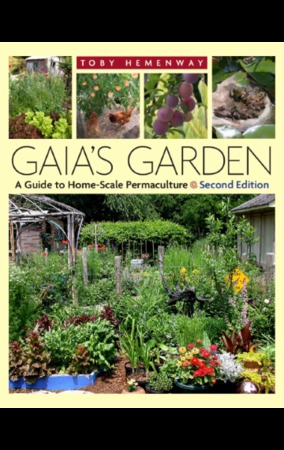

















Imagine transforming your yard into a thriving ecosystem that feeds you, supports local wildlife, and regenerates itself with minimal effort on your part. This comprehensive guide to permaculture gardening reveals how working with nature's patterns, rather than against them, can create abundant food forests and resilient landscapes right in your own backyard.
At its heart, this work introduces readers to permaculture principles adapted specifically for home gardeners. Permaculture, a design philosophy that mimics natural ecosystems, offers a radical departure from conventional gardening methods that rely on constant tilling, chemical inputs, and labor-intensive maintenance. Instead, you'll discover how to create self-sustaining gardens that improve over time, building soil fertility, conserving water, and producing increasing yields with decreasing effort.
The journey begins with understanding ecological principles that govern thriving natural systems. You'll learn how forests build fertile soil without any human intervention, how plant communities work together to resist pests and diseases, and how water can be harvested and stored in the landscape itself. These insights form the foundation for designing gardens that function as complete ecosystems rather than collections of individual plants requiring separate care.
Practical techniques fill these pages, offering step-by-step guidance for transforming any outdoor space. Sheet mulching methods show how to convert lawns into productive gardens without backbreaking digging or harmful herbicides. Water harvesting strategies demonstrate how to capture and retain rainfall, reducing or eliminating irrigation needs while recharging groundwater. Companion planting arrangements reveal which plants support each other's growth and health, creating guilds that work together synergistically.
The concept of ecological succession receives particular attention, explaining how gardens naturally evolve over time and how gardeners can guide this process intentionally. Understanding succession allows you to plan gardens that transition from annual vegetables to perennial food plants to productive food forests, each stage building upon the previous one. This knowledge empowers you to create landscapes that become more abundant and require less maintenance as years pass.
Soil building occupies a central role in this approach. Rather than viewing soil as merely a growing medium that needs supplemental fertilizers, you'll understand it as a living community of organisms that, when properly nurtured, provides everything plants need. Composting techniques, mulching strategies, and methods for cultivating beneficial soil organisms show how to build the rich, fertile soil that underlies all productive gardens.
The guide extends beyond vegetables to explore perennial food plants that produce year after year without replanting. Fruit and nut trees, berry bushes, perennial vegetables, and useful herbs become permanent landscape features that increase yields over time. Design principles help you arrange these plants in ways that maximize productivity while creating beautiful, functional outdoor spaces.
Wildlife integration receives thoughtful consideration, showing how beneficial insects, birds, and other creatures contribute to garden health. Rather than viewing wildlife as problems to be eliminated, you'll learn to create habitat that attracts beneficial species while maintaining balance. This ecological approach reduces pest problems naturally while supporting biodiversity.
Urban and suburban applications demonstrate that these principles work in spaces of any size. Even small yards, balconies, and community gardens can embody permaculture principles, producing surprising amounts of food while creating green oases in built environments. The focus remains on accessibility, showing how anyone, regardless of experience level, can begin applying these methods immediately.
Beyond practical techniques, this work invites a fundamental shift in how we relate to the land. Rather than dominating and controlling nature, we learn to observe, understand, and cooperate with natural processes. This perspective shift has implications far beyond gardening, offering a model for sustainable living that honors ecological limits while meeting human needs abundantly.
The wisdom contained here matters now more than ever, as climate change, resource depletion, and environmental degradation demand new approaches to how we inhabit the earth. Creating resilient, productive home ecosystems represents concrete action toward a more sustainable future while providing immediate benefits of fresh, healthy food, reduced environmental impact, and deeper connection with the natural world that sustains us all.