# Cultivating Color From Nature's Palette: A Journey Into Dye Plants and Natural Living
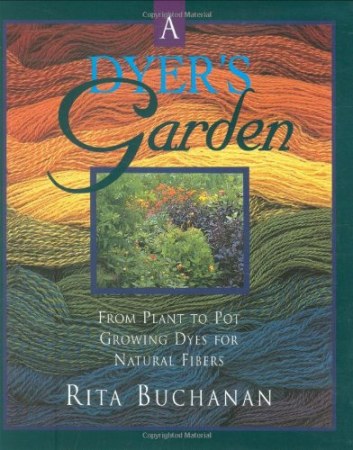
Growing plants specifically for the purpose of creating dyes opens a doorway to understanding one of humanity's oldest connections with the natural world. The cultivation of a garden dedicated to color extraction represents far more than a practical hobby. It embodies a profound return to sustainable living, creative self-expression, and a deeper relationship with the earth beneath our feet.
When we step into the world of natural dye gardening, we enter a space where ancient wisdom meets contemporary consciousness. For thousands of years, cultures across the globe have relied upon plants to create vibrant colors for textiles, art, and ceremonial objects. This knowledge almost disappeared during the industrial revolution when synthetic dyes promised convenience and consistency. Yet today, a growing number of people are rediscovering these traditional methods, not out of necessity, but out of a genuine desire to reconnect with natural processes and reduce their environmental footprint.
The practice of cultivating plants for dyes is deeply intertwined with personal transformation. As you spend time in your garden, nurturing plants that will eventually yield rich blues, warm yellows, deep purples, and earthy browns, you begin to understand the rhythms of nature in a tangible way. You learn patience, timing, and the importance of working with natural cycles rather than against them. The garden becomes a teacher, offering lessons about seasons, growth, decay, and renewal that extend far beyond the physical realm into our spiritual understanding of life itself.
One of the most compelling aspects of engaging with dye plants is the bridge it creates between gardening, art, and sustainability. Most commercial dyes, whether synthetic or industrial versions of natural dyes, carry significant environmental costs. They require extensive chemical processing, create water pollution, and contribute to global carbon emissions through manufacturing and transportation. By growing your own dye plants and extracting color at home, you participate in a closed-loop system that honors the environment while producing unique, complex colors impossible to replicate synthetically.
The range of plants suitable for dye production is remarkably diverse and often surprising. Many common garden plants, weeds, and wild plants yield vibrant dyes. Weld produces brilliant yellows, madder roots create deep reds and oranges, woad generates stunning blues, and dahlia flowers yield warm tones. Beyond these traditional dye sources, countless other plants offer unexpected color possibilities. Learning which plants grow well in your climate, how to cultivate them successfully, and how to extract their color properties becomes an adventure in observation and experimentation.
The practice also naturally leads to a broader exploration of natural living and conscious consumption. Once you begin growing plants for dyes, questions naturally arise about what you dye with these colors, how you process textiles, and what role creative expression plays in your life. Many people who engage with natural dye gardening find themselves drawn to learning fiber arts such as weaving, spinning, or textile dyeing. This organic progression reflects how reconnecting with one aspect of natural living often catalyzes interest in other areas of sustainable practice.
Beyond the practical benefits, there is something profoundly spiritual about creating color from plants you have grown with your own hands. The knowledge that a brilliant blue scarf comes from seeds you planted, tended, and harvested connects you to the material world in ways that purchasing commercially produced items cannot match. This direct participation in the creation process fosters gratitude, mindfulness, and a sense of agency in an increasingly disconnected world.
For those seeking to deepen their relationship with nature, develop new creative skills, or simply live more consciously and sustainably, exploring this path offers abundant rewards. The combination of horticultural knowledge, artistic expression, environmental responsibility, and personal growth makes dye gardening a holistic practice worthy of serious exploration.