

















Happiness & Success
Achieving Happiness Through Acceptance of Life
The quest for happiness often leads to frustration, as many fail to realize that the...


For a century, society has told a particular story about addiction, drug use, and the people caught in their grip. We've been taught that certain substances hook people through their chemical properties alone, that users are morally weak or fundamentally flawed, and that the solution lies in punishment, isolation, and an ever-escalating war. This groundbreaking work dismantles these assumptions piece by piece, revealing how nearly everything we thought we knew about addiction is wrong, and how this misunderstanding has created unnecessary suffering on a massive scale.
Through three years of research spanning nine countries and interviews with everyone from trafficked Mexican hit men to scientists studying addiction, a revelatory narrative emerges that challenges the very foundation of drug policy worldwide. The investigation begins with a simple question: why do we treat drug users the way we do? The answer leads back to the early twentieth century and the origins of drug prohibition, uncovering stories of racism, political manipulation, and moral crusading that have little to do with genuine concern for human wellbeing.
What readers discover is that addiction is not primarily about the drugs themselves. Groundbreaking research from rat experiments to observations of wounded Vietnam veterans reveals that the chemical hooks of drugs are only a small part of the picture. The real driver of addiction, evidence suggests, is the cage we're in—our environment, our connections, our sense of purpose and belonging. When people are isolated, traumatized, or without meaningful bonds to others, they're far more likely to form unhealthy attachments to substances. Conversely, when people have reasons to get up in the morning, loving relationships, and a sense of community, recovery becomes not just possible but natural.
Read more ▼
Henry David Thoreau

Alan Powers, Richard C. Wheeler
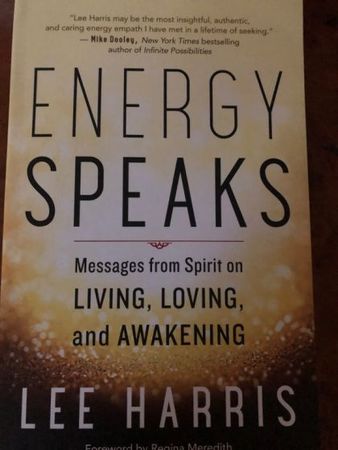
Lee Harris
The quest for happiness often leads to frustration, as many fail to realize that the...

Reaching sixty can evoke complex emotions, blending relief with ongoing ambition. This...

The quest for life's purpose often leads to unsatisfactory answers. This article...

Romantic love is a complex emotion shaped by historical, cultural, and biological...

Imagine going through one of the most physically and emotionally demanding experiences...

Have you ever argued over something that wasn't actually said? From cultural differences...

Daily actions often conflict with personal beliefs due to past experiences. By utilizing...

Therapists often use dream interpretation to delve into patients' emotions, but true...