
















Happiness & Success
Achieving Happiness Through Acceptance of Life
The quest for happiness often leads to frustration, as many fail to realize that the...


The American middle class faces an unprecedented crisis. Despite rising productivity and economic growth, wages have stagnated for decades while the cost of living continues to climb. Full-time employment no longer guarantees financial security, and millions of hardworking families find themselves struggling to make ends meet. This sobering reality demands innovative solutions that transcend traditional partisan divides and address the fundamental structure of our economy.
At the heart of this exploration lies a revolutionary yet elegantly simple proposal: what if every American received regular dividend payments from our shared national wealth? Drawing inspiration from Alaska's Permanent Fund, which distributes oil revenue dividends to all state residents, this vision expands the concept to encompass the broader commons that rightfully belongs to all citizens. These commons include not just natural resources, but also the social and intellectual infrastructure that makes modern commerce possible—from the internet and financial systems to legal frameworks and accumulated human knowledge.
The fundamental argument challenges the assumption that income must derive solely from labor in an increasingly automated world. As technology replaces human workers across industries, the traditional link between work and livelihood becomes unsustainable. Rather than viewing this transformation with despair, readers discover a path forward that ensures everyone benefits from technological progress and collective inheritance. This represents both a moral imperative and an economic necessity for maintaining a stable, prosperous society.
Read more ▼
Dan Millman
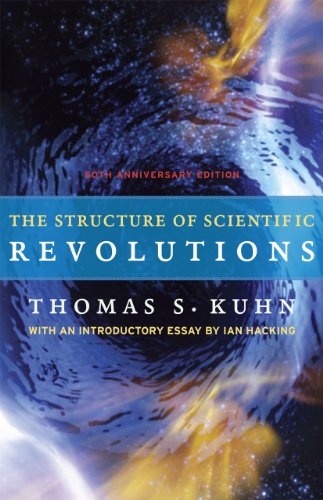
The structure of scientific revolutions
Thomas S. Kuhn, Dennis Holland

King, Alexander.

Martin Luther King Jr.
The quest for happiness often leads to frustration, as many fail to realize that the...

Reaching sixty can evoke complex emotions, blending relief with ongoing ambition. This...

The quest for life's purpose often leads to unsatisfactory answers. This article...

Romantic love is a complex emotion shaped by historical, cultural, and biological...

Imagine going through one of the most physically and emotionally demanding experiences...

Have you ever argued over something that wasn't actually said? From cultural differences...

Daily actions often conflict with personal beliefs due to past experiences. By utilizing...

Therapists often use dream interpretation to delve into patients' emotions, but true...