





Happiness & Success
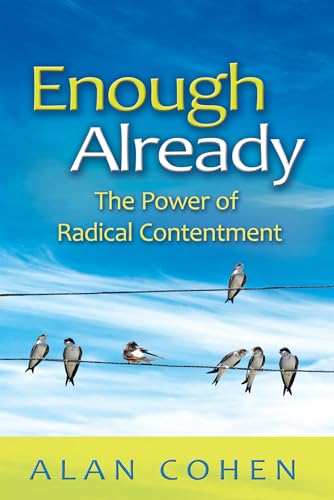
Achieving Happiness Through Acceptance of Life
The quest for happiness often leads to frustration, as many fail to realize that the...

Revolutionary insights into longevity and healthspan challenge everything you thought you knew about aging and wellness. Rather than simply extending lifespan, the focus shifts to a more profound question: How can we maintain vitality, cognitive function, and physical capability well into our later decades? This comprehensive exploration of modern preventive medicine offers a radically different approach to health that moves beyond traditional reactive care toward proactive optimization.
Drawing from cutting-edge research in metabolism, exercise physiology, nutritional biochemistry, and emotional health, this work presents a framework called Medicine 3.0—a paradigm shift from treating disease after it appears to preventing chronic conditions decades before symptoms emerge. The traditional healthcare model waits for illness to manifest, then intervenes. This new approach recognizes that the diseases of aging—heart disease, cancer, neurodegenerative conditions, and metabolic dysfunction—develop over years or even decades, creating a critical window for intervention.
Readers discover how to think about their health through a completely different lens, one that prioritizes the "marginal decade"—those final years of life that can either be vibrant and independent or marked by decline and dependency. The strategies presented aren't about adding years filled with suffering and disability, but about compressing the period of morbidity while extending the period of healthy, engaged living. This reframing transforms health from something reactive into something worth strategic planning and daily investment.
Read more ▼
Master Charles Cannon
Stephanie Jean Clement
Peta Sneddon

Corrie ten Boom, Franklin Graham, Bruce Olson, John Sherrill, Elizabeth Sherrill, Ernest Borgnine
The quest for happiness often leads to frustration, as many fail to realize that the...

Reaching sixty can evoke complex emotions, blending relief with ongoing ambition. This...

The quest for life's purpose often leads to unsatisfactory answers. This article...

Romantic love is a complex emotion shaped by historical, cultural, and biological...

Imagine going through one of the most physically and emotionally demanding experiences...

Have you ever argued over something that wasn't actually said? From cultural differences...

Daily actions often conflict with personal beliefs due to past experiences. By utilizing...

Therapists often use dream interpretation to delve into patients' emotions, but true...