














Happiness & Success
Achieving Happiness Through Acceptance of Life
The quest for happiness often leads to frustration, as many fail to realize that the...


Forgiveness stands as one of the most powerful yet misunderstood forces in human relationships. Often relegated to religious or moral contexts, its profound psychological and relational dimensions remain largely unexplored in our everyday lives. What emerges from a deep investigation into forgiveness is nothing short of revolutionary: a practical methodology for liberating ourselves from the emotional chains that bind us to past hurts, resentments, and betrayals.
At the heart of this exploration lies a distinction that changes everything. We discover that genuine forgiveness is not about condoning harmful behavior, forgetting what happened, or reconciling with those who have hurt us. Instead, it represents a deeply personal act of liberation—a conscious choice to release the emotional poison we carry within ourselves. This understanding transforms forgiveness from an obligation imposed by external moral codes into a gift we give ourselves, one that ripples outward to touch every relationship in our lives.
The journey begins with recognizing how unforgiveness operates in our psyche and relationships. When we hold onto resentment, anger, or the desire for revenge, we remain energetically tethered to those who have wronged us. This invisible cord drains our vitality, colors our perceptions, and unconsciously influences our present relationships. We may find ourselves repeating painful patterns, attracting similar situations, or projecting unresolved emotions onto innocent parties. The cost of carrying these emotional burdens extends far beyond the original transgression, affecting our physical health, mental wellbeing, and capacity for joy.
Read more ▼
Bob Wall
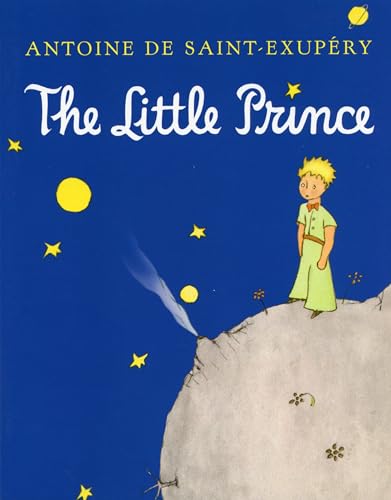
Antoine de Saint-Exupéry

Gerald G. Jampolsky
The quest for happiness often leads to frustration, as many fail to realize that the...

Reaching sixty can evoke complex emotions, blending relief with ongoing ambition. This...

The quest for life's purpose often leads to unsatisfactory answers. This article...

Have you ever argued over something that wasn't actually said? From cultural differences...

Romantic love is a complex emotion shaped by historical, cultural, and biological...

Imagine going through one of the most physically and emotionally demanding experiences...

Daily actions often conflict with personal beliefs due to past experiences. By utilizing...

Therapists often use dream interpretation to delve into patients' emotions, but true...