













Happiness & Success
Achieving Happiness Through Acceptance of Life
The quest for happiness often leads to frustration, as many fail to realize that the...

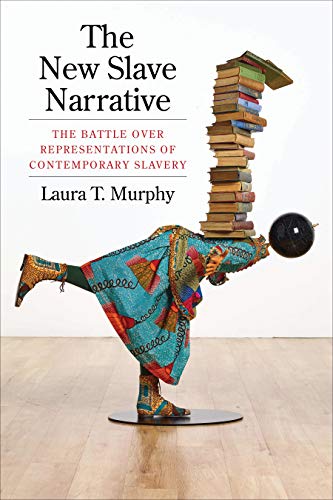
Contemporary slavery remains one of humanity's most pressing yet overlooked crises, affecting an estimated 40 million people worldwide who labor in bondage, hidden in plain sight within our globalized economy. Through a groundbreaking examination of survivor testimonies and first-person narratives, readers gain profound insight into both the devastating reality of modern human trafficking and the remarkable resilience of those who have escaped and transformed their trauma into powerful advocacy.
This scholarly yet accessible work reveals how survivors of contemporary slavery are reclaiming their voices and rewriting the narrative of bondage for the twenty-first century. Drawing on centuries of abolitionist literature and comparing historical slave narratives with modern testimonies, readers discover how the act of bearing witness serves as both a personal healing journey and a catalyst for social transformation. The testimonies explored span various forms of contemporary enslavement including sex trafficking, forced labor, child soldiering, and domestic servitude, demonstrating that slavery has not been relegated to history but has evolved into new, insidious forms that demand our attention and action.
For those committed to personal empowerment and social consciousness, understanding these narratives offers multiple layers of transformation. First, readers confront uncomfortable truths about how modern consumer choices connect to systems of exploitation. The products we purchase, the services we use, and the systems we participate in may be inadvertently supported by forced labor. This awareness becomes a powerful catalyst for conscious living and ethical decision-making that aligns with deeply held values about human dignity and justice.
Read more ▼
Ernest Holmes, Willis H. Kinnear

Sonia Jones

Qamer javed
The quest for happiness often leads to frustration, as many fail to realize that the...

Reaching sixty can evoke complex emotions, blending relief with ongoing ambition. This...

The quest for life's purpose often leads to unsatisfactory answers. This article...

Romantic love is a complex emotion shaped by historical, cultural, and biological...

Imagine going through one of the most physically and emotionally demanding experiences...

Have you ever argued over something that wasn't actually said? From cultural differences...

Daily actions often conflict with personal beliefs due to past experiences. By utilizing...

Therapists often use dream interpretation to delve into patients' emotions, but true...