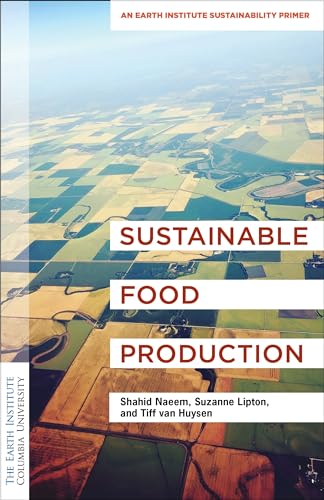
















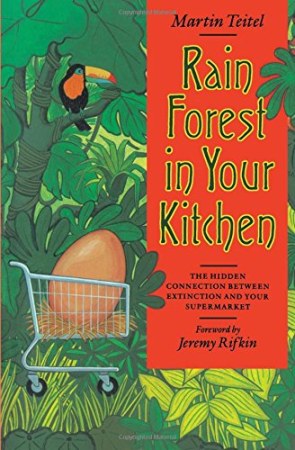

Imagine standing at the intersection of ecology, agriculture, and human survival, where the choices we make about food ripple outward to touch everything from climate stability to social justice. This comprehensive examination of sustainable food systems offers readers a transformative journey into understanding how we can feed humanity while healing the planet.
At its core, this work addresses one of the most pressing challenges of our time: how to produce enough food for a growing global population without destroying the ecosystems that sustain all life on Earth. Drawing on cutting-edge research in ecology, biodiversity science, and agricultural innovation, readers will discover that sustainable food production is not merely about farming techniques—it represents a fundamental shift in how we relate to the living world and each other.
The exploration begins with a clear-eyed assessment of our current food system, revealing how industrial agriculture, while tremendously productive in the short term, has created a cascade of environmental problems including soil degradation, water pollution, loss of biodiversity, and significant contributions to climate change. Rather than dwelling in despair, however, readers are guided through evidence-based solutions that demonstrate how we can transform these destructive patterns.
One of the most valuable insights offered is the concept of biodiversity as the foundation of resilient food systems. Readers will learn how diverse ecosystems provide essential services that industrial monocultures cannot replicate—from natural pest control and pollination to nutrient cycling and climate regulation. This understanding goes beyond intellectual knowledge; it invites a profound shift in consciousness about humanity's place within the web of life rather than separate from it.
The material delves deeply into practical strategies for sustainable intensification, showing how we can increase food production on existing agricultural lands while simultaneously reducing environmental impacts. These approaches include agroecological practices, integrated pest management, conservation agriculture, and the strategic use of technology. Readers seeking to align their values with action will find concrete examples of how these methods are being successfully implemented across diverse landscapes and cultures worldwide.
Particularly compelling is the examination of how sustainable food systems connect to social justice and human wellbeing. The analysis reveals how our food choices and agricultural policies affect everything from rural livelihoods and food security to public health and cultural preservation. This holistic perspective helps readers understand that transforming food systems is inseparable from creating more equitable and compassionate societies.
For those interested in personal transformation, the material offers opportunities to examine deeply held assumptions about progress, consumption, and our relationship with nature. It challenges the mechanistic worldview that treats soil, water, and living creatures merely as inputs to maximize yield, inviting instead an ecological consciousness that recognizes the intrinsic value and interconnection of all life.
The discussion of climate change is particularly urgent and relevant. Readers will gain clear understanding of how agriculture both contributes to and is affected by climate disruption, and more importantly, how sustainable food production can be part of the solution. The potential for regenerative agriculture to sequester carbon, restore degraded lands, and build resilience against climate shocks offers genuine hope grounded in scientific reality.
Throughout, the approach balances scientific rigor with accessibility, making complex ecological concepts understandable without oversimplification. The integration of research from multiple disciplines creates a comprehensive framework that honors both the complexity of food systems and the urgent need for transformation.
This is essential reading for anyone seeking to understand how personal food choices connect to planetary health, for activists and policymakers working toward systemic change, and for anyone who believes that humanity can create a future where both people and nature thrive. The knowledge shared here empowers readers to participate more consciously in one of the most important transitions of our time—the shift toward food systems that nourish both body and biosphere.
Read more ▼