









Happiness & Success
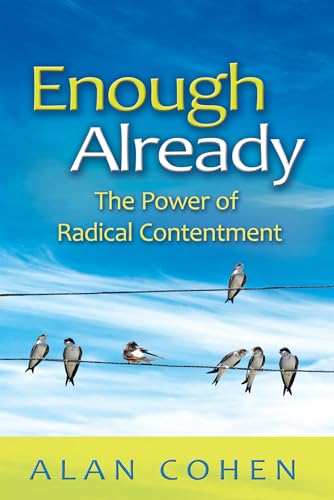
Achieving Happiness Through Acceptance of Life
The quest for happiness often leads to frustration, as many fail to realize that the...

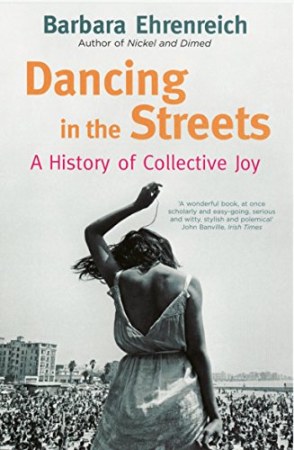
Throughout human history, collective joy and ecstatic celebration were central to community life, yet modern society has systematically suppressed these powerful expressions of shared human experience. This groundbreaking exploration reveals how dancing, festivities, and communal revelry once served as essential mechanisms for social bonding, spiritual transcendence, and psychological well-being across virtually every culture on earth.
Delving deep into anthropological records, historical accounts, and cultural practices spanning millennia, this work traces the near-universal human impulse toward ecstatic celebration. From ancient Greek Dionysian festivals to medieval carnivals, from indigenous rituals to early Christian gatherings, communities have always created spaces where ordinary social constraints dissolved and participants experienced profound connection through movement, music, and collective euphoria. These weren't mere entertainments but vital practices that reinforced social cohesion, provided psychological release, and offered glimpses of transcendent experience accessible to everyone, regardless of social status.
The narrative meticulously documents how religious authorities, political powers, and emerging professional classes gradually worked to eliminate these traditions. Protestant reformers deemed such celebrations sinful distractions from productive labor and sober devotion. Colonial powers suppressed indigenous festivals as primitive barbarism. The rise of industrial capitalism required disciplined, controlled workers rather than communities accustomed to spontaneous celebration. Through laws, social pressure, and cultural conditioning, the ecstatic dimension of human experience was progressively pushed to the margins of acceptable behavior.
Read more ▼
The Silver Linings Playbook Movie TieIn Edition
Matthew Quick

J. D. Vance

Louise L. Hay

Dianne M. Connelly
The quest for happiness often leads to frustration, as many fail to realize that the...

Reaching sixty can evoke complex emotions, blending relief with ongoing ambition. This...

The quest for life's purpose often leads to unsatisfactory answers. This article...

Imagine going through one of the most physically and emotionally demanding experiences...

Romantic love is a complex emotion shaped by historical, cultural, and biological...

Daily actions often conflict with personal beliefs due to past experiences. By utilizing...

Have you ever argued over something that wasn't actually said? From cultural differences...

Therapists often use dream interpretation to delve into patients' emotions, but true...