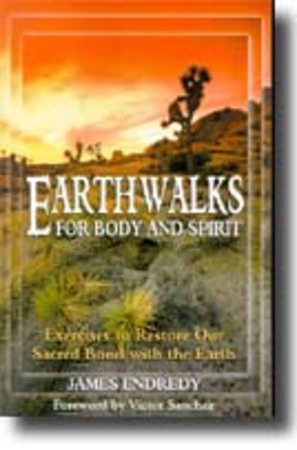










Walking has been a sacred practice for indigenous peoples around the world for thousands of years, serving as a powerful bridge between physical movement and spiritual awakening. By combining ancient wisdom traditions with practical modern applications, readers are invited to discover how the simple act of walking can become a transformative tool for healing both body and spirit.
At its core, this groundbreaking work explores how conscious walking practices can shift our relationship with ourselves, our communities, and the natural world. Drawing from shamanic traditions practiced across diverse cultures, the material presents walking as far more than mere physical exercise. Instead, it becomes a meditative practice, a healing modality, and a pathway to heightened awareness that our ancestors understood intuitively but modern society has largely forgotten.
The journey begins with understanding how traditional peoples have used walking as a ceremonial practice to mark important life transitions, seek visions, process grief, celebrate joy, and maintain connection with the earth. These time-honored approaches are not presented as museum pieces but as living practices that remain profoundly relevant for contemporary seekers dealing with stress, disconnection, and the search for meaning in an increasingly fragmented world.
Readers will discover specific walking exercises designed to address different aspects of wellbeing. Some practices focus on grounding and centering, helping to discharge accumulated tension and anxiety while establishing a felt sense of belonging to the earth beneath our feet. Others emphasize energy cultivation, teaching how conscious attention to breath, posture, and intention during walking can enhance vitality and restore depleted reserves. Still others guide practitioners into deeper states of meditation and spiritual opening, using the rhythmic nature of footsteps as an anchor for expanded awareness.
The practical instructions are remarkably accessible, requiring no special equipment, no particular level of fitness, and no prior experience with meditation or spiritual practice. Whether walking in wild nature, through urban parks, or even in indoor spaces, the techniques can be adapted to virtually any environment and circumstance. This flexibility makes the practices ideal for people with varying physical abilities and living situations, democratizing access to profound healing tools.
What sets this approach apart is its emphasis on embodied spirituality. Rather than treating the body as something to transcend or overcome, these practices honor physical experience as sacred and insightful. Sensations in the feet, the rhythm of breathing, the play of muscles and bones become teachers, revealing patterns of holding and resistance while pointing toward greater ease and flow. This body-centered wisdom helps practitioners develop a more integrated sense of self, healing the artificial split between matter and spirit that causes so much suffering in modern life.
The ecological dimension of this work deserves special attention. By encouraging direct, mindful contact with the natural world through walking, practitioners often experience a profound shift in environmental consciousness. What begins as personal healing practice frequently blossoms into genuine earth stewardship, as people come to feel themselves as part of nature rather than separate from it. This shift in identity carries important implications not just for individual wellbeing but for how we collectively address the environmental challenges facing our planet.
Beyond individual practice, guidance is offered for creating walking ceremonies with groups, making these powerful tools available for families, communities, and circles of fellow seekers. Group walking practices can strengthen social bonds, create shared experiences of transcendence, and build collective resilience in challenging times.
For healthcare practitioners, therapists, yoga teachers, and others in healing professions, these techniques offer valuable additions to their therapeutic toolkit. The practices complement existing modalities beautifully while offering clients accessible homework that extends healing benefits between sessions. For spiritual seekers feeling stuck in purely intellectual or sedentary practices, these earthwalks provide a refreshing path forward that honors the wisdom of the moving body.
Ultimately, this resource offers a return to something essential and primordial—a remembering of how walking itself can be prayer, medicine, and doorway to the sacred dimensions of existence always available beneath our feet.