








Happiness & Success
Achieving Happiness Through Acceptance of Life
The quest for happiness often leads to frustration, as many fail to realize that the...


Freedom from suffering begins with understanding the true nature of our minds and learning to work skillfully with the patterns that keep us trapped in cycles of anxiety, frustration, and dissatisfaction. This profound exploration of Buddhist meditation and mindfulness practice offers readers a comprehensive path toward genuine liberation, presenting ancient wisdom in a form that speaks directly to contemporary life.
Drawing from talks delivered during a three-month retreat, this work serves as both a practical manual and a philosophical foundation for anyone seeking to transform their relationship with themselves and the world around them. The teaching progresses systematically through core Buddhist concepts, making sophisticated spiritual principles accessible without diluting their transformative power. Readers encounter the Four Noble Truths, the Noble Eightfold Path, and other fundamental teachings not as abstract philosophy but as living practices that can be applied immediately to everyday challenges.
At the heart of this teaching lies the practice of mindful breathing and conscious awareness. Through detailed guidance on meditation techniques, readers learn how something as simple as paying attention to breath can become a doorway to profound personal transformation. The instructions are remarkably practical, offering specific methods for cultivating awareness in sitting meditation, walking meditation, and throughout daily activities. This isn't meditation as an escape from life but as a way of engaging more fully with each moment.
Read more ▼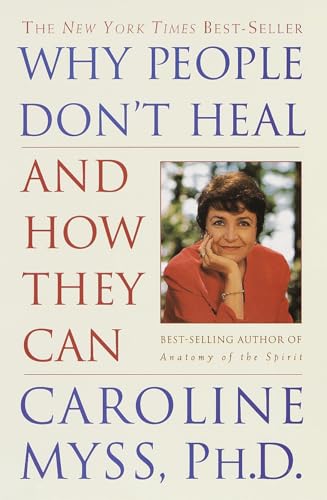
Why people don't heal and how they can
Caroline Myss
Before You Think Another Thought
Bruce I. Doyle

Joan Halifax
The quest for happiness often leads to frustration, as many fail to realize that the...

Reaching sixty can evoke complex emotions, blending relief with ongoing ambition. This...

The quest for life's purpose often leads to unsatisfactory answers. This article...

Romantic love is a complex emotion shaped by historical, cultural, and biological...

Imagine going through one of the most physically and emotionally demanding experiences...

Have you ever argued over something that wasn't actually said? From cultural differences...

Daily actions often conflict with personal beliefs due to past experiences. By utilizing...

Therapists often use dream interpretation to delve into patients' emotions, but true...