








Happiness & Success
Achieving Happiness Through Acceptance of Life
The quest for happiness often leads to frustration, as many fail to realize that the...

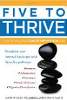
Cancer prevention doesn't have to be complicated, mysterious, or overwhelming. A comprehensive roadmap exists for dramatically reducing cancer risk through five scientifically-supported lifestyle pillars that anyone can implement, regardless of their current health status or family history. These evidence-based strategies offer genuine empowerment to people who refuse to be passive about their health and want to take meaningful action to protect themselves and their loved ones from one of modern society's most feared diseases.
The foundation rests on five interconnected domains that work synergistically to create an internal environment where cancer struggles to take hold. Rather than focusing solely on what to avoid, this approach emphasizes positive, proactive choices that enhance vitality while simultaneously reducing disease risk. Each pillar addresses a critical aspect of human physiology that influences cellular health, immune function, and the body's innate ability to recognize and eliminate abnormal cells before they become problematic.
The first pillar explores optimal nutrition as medicine, moving beyond simplistic dietary advice to examine how specific foods, phytochemicals, and eating patterns influence cancer development at the molecular level. Readers discover which foods provide the most powerful protective compounds, how to structure meals for maximum benefit, and why certain combinations create synergistic effects that amplify cancer-fighting properties. The nutritional guidance acknowledges real-world constraints while offering practical strategies for incrementally improving dietary choices without requiring perfection or deprivation.
Read more ▼
Rosemary Sullivan

Lawrence Kushner

The Myth of Sisyphus and Other Essays
Albert Camus

Ricardo Cortés
The quest for happiness often leads to frustration, as many fail to realize that the...

Reaching sixty can evoke complex emotions, blending relief with ongoing ambition. This...

The quest for life's purpose often leads to unsatisfactory answers. This article...

Imagine going through one of the most physically and emotionally demanding experiences...

Romantic love is a complex emotion shaped by historical, cultural, and biological...

Daily actions often conflict with personal beliefs due to past experiences. By utilizing...

Have you ever argued over something that wasn't actually said? From cultural differences...

Therapists often use dream interpretation to delve into patients' emotions, but true...