








Happiness & Success
Achieving Happiness Through Acceptance of Life
The quest for happiness often leads to frustration, as many fail to realize that the...

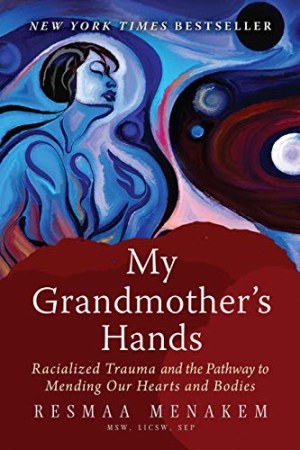
Trauma lives in the body, passed down through generations like heirlooms we never asked for. This groundbreaking exploration of racialized trauma reveals how the wounds of our ancestors continue to shape our physical and emotional responses to the world, often without our conscious awareness. By examining the somatic manifestations of historical oppression, systemic racism, and intergenerational pain, readers discover a revolutionary pathway toward healing that begins not in the mind, but in the visceral experience of our own bodies.
The framework presented here challenges conventional approaches to addressing racism and trauma by centering the body as the primary site of both wounding and recovery. Rather than treating racial trauma as purely psychological or social, this work demonstrates how centuries of violence, dehumanization, and survival have literally encoded themselves into our nervous systems. White bodies carry the trauma of perpetrating violence. Black bodies carry the trauma of being targeted by that violence. Police bodies exist at a particularly fraught intersection, often experiencing both dynamics simultaneously.
Readers embark on a journey through the science of trauma, learning how the autonomic nervous system responds to threat through a hierarchy of survival responses: connection and engagement when we feel safe, mobilization through fight or flight when danger appears, and shutdown or collapse when escape seems impossible. These responses, honed over generations, become hair-trigger reactions that can be activated by situations that mirror historical patterns of oppression and violence, even when present circumstances differ significantly.
Read more ▼
The quest for happiness often leads to frustration, as many fail to realize that the...

Reaching sixty can evoke complex emotions, blending relief with ongoing ambition. This...

The quest for life's purpose often leads to unsatisfactory answers. This article...

Romantic love is a complex emotion shaped by historical, cultural, and biological...

Imagine going through one of the most physically and emotionally demanding experiences...

Have you ever argued over something that wasn't actually said? From cultural differences...

Daily actions often conflict with personal beliefs due to past experiences. By utilizing...

Therapists often use dream interpretation to delve into patients' emotions, but true...