













Happiness & Success
Achieving Happiness Through Acceptance of Life
The quest for happiness often leads to frustration, as many fail to realize that the...


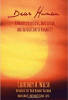
Journey into the depths of human consciousness through one of world literature's most profound explorations of moral transformation and spiritual awakening. This masterwork invites readers on an allegorical descent through the nine circles of Hell, where every punishment reflects the nature of sin itself, and where understanding darkness becomes essential to finding light.
At its heart lies a narrative of personal crisis and redemption. The journey begins in a dark wood, a powerful metaphor for the spiritual confusion that afflicts anyone who has strayed from their authentic path. Lost at the midpoint of life, the protagonist represents each of us when we confront our moral failures, destructive patterns, and the consequences of choices made without awareness. This universal moment of reckoning speaks directly to modern seekers who understand that genuine transformation requires unflinching self-examination.
What unfolds is far more than a tour of mythological punishment. Each circle of the underworld represents progressive stages of moral blindness, from the relatively passive failures of the uncommitted to the active malice of betrayal. Readers discover a sophisticated psychological map of human weakness, one that remains startlingly relevant seven centuries after its composition. The lustful, the gluttonous, the wrathful, the violent, the fraudulent, and the treacherous all appear not as distant monsters but as reflections of potentialities within ourselves.
Read more ▼
Alan Cohen
Courtney A. Walsh

Linda Kohanov

Perry Brass
The quest for happiness often leads to frustration, as many fail to realize that the...

Reaching sixty can evoke complex emotions, blending relief with ongoing ambition. This...

The quest for life's purpose often leads to unsatisfactory answers. This article...

Have you ever argued over something that wasn't actually said? From cultural differences...

Romantic love is a complex emotion shaped by historical, cultural, and biological...

Imagine going through one of the most physically and emotionally demanding experiences...

Daily actions often conflict with personal beliefs due to past experiences. By utilizing...

Therapists often use dream interpretation to delve into patients' emotions, but true...