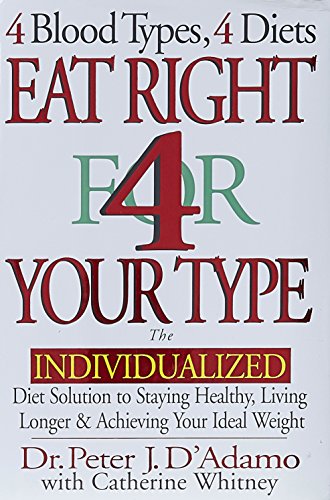
















Revolutionary insights into personalized nutrition reveal that the key to optimal health, sustained energy, and natural weight management may be written in your blood. This groundbreaking approach to wellness demonstrates how your blood type serves as a genetic blueprint that determines which foods will nourish you most effectively and which may actually work against your body's natural chemistry.
At the foundation of this nutritional philosophy lies a fascinating premise: the four blood types emerged at different points in human evolutionary history, and each type retains distinct characteristics that influence how bodies process various foods, respond to stress, and fight disease. By understanding these biological differences and eating accordingly, individuals can unlock their body's innate potential for vibrant health and vitality.
The exploration begins with Type O, considered the oldest blood type, emerging when humans were primarily hunter-gatherers. Those with this blood type tend to thrive on a high-protein diet rich in lean meats, poultry, and fish, while grains and dairy may prove problematic. The metabolic profile of Type O individuals often responds best to vigorous exercise and benefits from avoiding foods that weren't part of ancestral diets.
Type A blood emerged as humans transitioned to agrarian lifestyles, and individuals with this type often flourish on a primarily vegetarian diet. Fresh vegetables, fruits, grains, beans, and legumes support their unique biochemistry, while red meat and dairy may trigger inflammatory responses. Gentle, calming exercises like yoga and tai chi typically complement their stress management needs more effectively than intense physical activity.
Type B blood developed among nomadic peoples, creating a more adaptable digestive system. These individuals often enjoy the broadest dietary flexibility, able to consume dairy products, certain meats, grains, and vegetables while avoiding chicken, corn, wheat, and tomatoes. Their balanced nature allows them to benefit from moderate exercise that engages both body and mind.
The rarest blood type, AB, represents a modern adaptation combining characteristics of both A and B. Those with AB blood typically thrive on a diverse diet that includes seafood, dairy, tofu, beans, grains, vegetables, and fruits, though red meat may prove challenging to digest. Their exercise needs often mirror those of Type A individuals, favoring calming and centering activities.
Beyond basic dietary guidelines, this approach offers comprehensive food lists categorizing items as highly beneficial, neutral, or foods to avoid for each blood type. These detailed recommendations extend to vitamins, supplements, and herbal remedies, providing a complete roadmap for biochemical optimization. Understanding these distinctions empowers individuals to make informed choices that honor their unique physiological needs rather than following one-size-fits-all dietary trends.
The implications reach far beyond simple meal planning. This framework addresses weight management, explaining why certain individuals struggle to lose weight on diets that work effortlessly for others. When eating foods incompatible with blood type chemistry, the body may respond with inflammation, digestive distress, sluggish metabolism, and poor nutrient absorption. Conversely, aligning food choices with biological compatibility can trigger remarkable transformations in energy levels, mental clarity, digestive comfort, and overall wellbeing.
Perhaps most empowering is how this approach shifts the paradigm from external diet dictates to internal wisdom. Rather than battling against your body's natural tendencies, you learn to work harmoniously with your genetic inheritance. This creates a sustainable path to wellness grounded in self-knowledge and biological truth rather than willpower and restriction.
The nutritional strategy also addresses disease prevention and management, suggesting that blood type influences susceptibility to certain conditions and that targeted nutrition can support immune function, reduce inflammation, and promote healing. This preventive orientation aligns perfectly with holistic health philosophies emphasizing personal responsibility and proactive self-care.
For those seeking authentic transformation through personalized wellness, this blood type approach offers practical tools grounded in evolutionary biology and biochemistry. It represents an invitation to discover your body's unique language and respond with the specific nourishment that allows you to thrive, creating lasting vitality from the inside out.