














Happiness & Success
Achieving Happiness Through Acceptance of Life
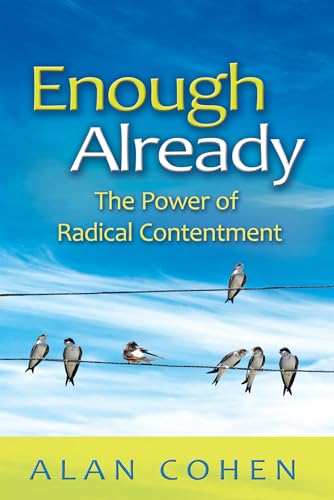
The quest for happiness often leads to frustration, as many fail to realize that the...


Imagine a world where your every word, gesture, and facial expression is monitored by an all-seeing authority. Picture a society where independent thought itself is the ultimate crime, and where the past is constantly rewritten to serve the present regime. This dystopian masterwork explores the terrifying landscape of totalitarian control, offering readers profound insights into the mechanisms of power, the fragility of truth, and the indomitable nature of the human spirit.
At its core, this visionary work examines how authoritarian systems maintain control through the manipulation of language, information, and even memory itself. Readers discover how a society functions when Big Brother watches constantly, when the Thought Police can arrest you for what happens inside your mind, and when the official narrative shifts daily to maintain power. The protagonist's journey through this nightmarish reality becomes a mirror reflecting our own world's vulnerabilities to manipulation, propaganda, and the erosion of personal freedom.
The narrative follows an ordinary man working in the Records Department, where his job involves rewriting historical documents to match the Party's current version of truth. This seemingly mundane task reveals a chilling truth about how controlling the past allows those in power to control the present and future. As he begins to question the world around him, readers witness the awakening of consciousness in an environment designed to crush individual awareness. His dangerous journey toward personal truth and authentic connection becomes a powerful metaphor for anyone seeking to break free from conditioning and societal control.
Read more ▼
Treena Orchard, Wednesday Martin

Stan Goldberg

Charles Filmore

Noam Chomsky
The quest for happiness often leads to frustration, as many fail to realize that the...

Reaching sixty can evoke complex emotions, blending relief with ongoing ambition. This...

The quest for life's purpose often leads to unsatisfactory answers. This article...

Romantic love is a complex emotion shaped by historical, cultural, and biological...

Imagine going through one of the most physically and emotionally demanding experiences...

Have you ever argued over something that wasn't actually said? From cultural differences...

Daily actions often conflict with personal beliefs due to past experiences. By utilizing...

Therapists often use dream interpretation to delve into patients' emotions, but true...