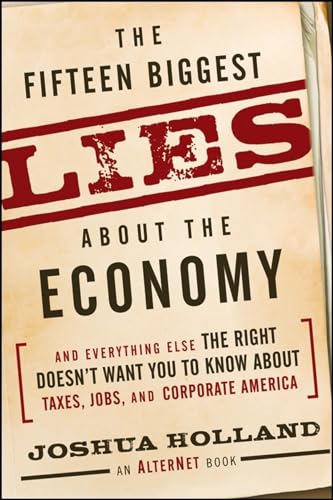


















Breaking through the fog of economic misconceptions that cloud public discourse requires courage and clear thinking. This illuminating work dismantles the most pervasive myths that shape how Americans understand their economy, offering readers a chance to see beyond the talking points and political spin that dominate financial discussions.
At its core, this examination reveals how certain narratives about taxation, government spending, social programs, and market dynamics have been carefully crafted and repeated until they became accepted as truth, despite contradicting actual economic data and historical evidence. Readers embark on a journey that challenges deeply ingrained assumptions about prosperity, inequality, and the role of government in economic life.
The exploration begins by questioning fundamental beliefs about wealth creation and distribution. Many people accept without question that certain economic arrangements are natural or inevitable, when in fact they result from specific policy choices. By tracing the origins of common economic talking points, readers gain insight into how political and corporate interests have shaped public understanding to serve particular agendas rather than promote general welfare.
One significant revelation concerns the relationship between taxation and economic growth. The conventional wisdom repeated across media outlets often bears little resemblance to what economic research and historical patterns actually demonstrate. Readers discover how tax policy debates have been framed in ways that obscure important facts about revenue, investment, and prosperity. This knowledge empowers individuals to think more critically about policy proposals and their likely real-world effects.
The work also tackles widespread misconceptions about government debt and deficits, subjects that generate tremendous anxiety but are often poorly understood. By clarifying what these terms actually mean and how they function within a modern economy, readers can move beyond fear-based reactions to more nuanced perspectives. This understanding proves especially valuable for those seeking to align their economic views with their values around social justice and community wellbeing.
Another crucial area of investigation involves the mythology surrounding free markets and regulation. The notion that markets function best when left completely alone represents one of the most consequential economic beliefs of our era, yet it withstands neither theoretical scrutiny nor historical examination. Readers learn how successful economies throughout history have balanced market mechanisms with thoughtful oversight, and why this balance matters for creating broadly shared prosperity.
The treatment of social programs, healthcare, and the social safety net receives particular attention. Myths about dependency, efficiency, and affordability have profoundly shaped American policy, often in ways that contradict both moral imperatives and economic evidence. By examining how other developed nations approach these challenges, readers gain perspective on possibilities that dominant narratives have rendered nearly invisible in American discourse.
Throughout this investigation, connections emerge between economic policy and broader questions of human flourishing. The distribution of resources, the security of families, the health of communities, and the sustainability of ecosystems all depend on economic arrangements that reflect either accurate understanding or persistent myths. For readers committed to personal growth and social consciousness, grasping these connections proves transformative.
The work never loses sight of how abstract economic debates translate into concrete human experiences. Behind statistics about inequality, healthcare coverage, or retirement security stand real people whose lives hang in the balance. This human dimension makes economic literacy not merely an intellectual exercise but a spiritual and moral imperative for those who care about justice and compassion.
Readers emerge with practical tools for evaluating economic claims encountered in news coverage, political speeches, and everyday conversations. The ability to distinguish evidence from ideology, to ask probing questions, and to resist manipulation through fear or false promises represents a form of empowerment essential for engaged citizenship. In an era when economic anxiety pervades society, this clarity offers both relief and direction.
For those on a path of awakening and transformation, understanding economic reality as opposed to economic mythology removes obstacles to effective action. Social change requires clear seeing, and nowhere is vision more clouded than in discussions of money, markets, and prosperity. This work provides the clarity needed to move forward with both wisdom and hope.